


Selecting the appropriate butterfly valve is a crucial decision that can significantly impact the efficiency, safety, and longevity of your industrial or commercial systems. As a trusted butterfly valve supplier, I understand the complexities involved in this selection process. In this blog, I'll share valuable insights to help you make an informed choice.
Understanding the Basics of Butterfly Valves
Before delving into the selection process, it's essential to have a clear understanding of what butterfly valves are and how they work. A butterfly valve is a quarter - turn rotational motion valve used to stop, start, and regulate fluid flow. It consists of a disc mounted on a rotating shaft. When the valve is fully open, the disc is parallel to the flow, allowing maximum flow through the valve. As the disc rotates, it gradually restricts the flow until it reaches the fully closed position, where it is perpendicular to the flow.
There are different types of butterfly valves, including concentric (resilient - seated) butterfly valves, double - offset butterfly valves, and triple - offset butterfly valves. Each type has its unique characteristics and applications, which we'll explore further.
Factors to Consider When Choosing a Butterfly Valve
1. Application Requirements
The first step in choosing the right butterfly valve is to understand the specific application. Consider the type of fluid being handled, such as water, gas, steam, or chemicals. Different fluids have different properties, such as viscosity, corrosiveness, and temperature, which can affect the performance and durability of the valve.
For example, if you're dealing with a highly corrosive chemical, you'll need a butterfly valve made from corrosion - resistant materials like stainless steel or special alloys. On the other hand, for a water - based application, a valve with a resilient seat may be sufficient.
2. Pressure and Temperature Ratings
The pressure and temperature conditions of the system are critical factors. The valve must be able to withstand the maximum pressure and temperature it will encounter during operation. Check the valve's pressure - temperature rating, which indicates the maximum pressure the valve can handle at a given temperature.
If the system operates at high pressures or temperatures, a triple - offset butterfly valve may be a better choice. These valves are designed to handle more extreme conditions and provide better sealing performance under high - pressure differentials.
3. Flow Control Requirements
Consider the degree of flow control needed in your system. Some applications require precise flow regulation, while others only need on - off control. For applications that demand accurate flow control, a valve with a more linear flow characteristic is preferable.
Concentric butterfly valves are typically used for on - off applications, while double - offset and triple - offset valves can provide better flow control due to their improved sealing and flow characteristics.
4. Size and Connection Type
The size of the valve should match the pipe size in your system. Choosing the wrong size can lead to flow restrictions, increased pressure drop, and reduced system efficiency. Additionally, consider the connection type, such as flanged, wafer, or lug - type connections.
Flanged connections are commonly used in larger systems and provide a secure and leak - proof connection. Wafer - type valves are more compact and are suitable for applications where space is limited. Lug - type valves are designed to be installed between two flanges and can be easily removed for maintenance.
5. Sealing Performance
The sealing performance of the valve is crucial to prevent leakage. Different types of butterfly valves offer varying levels of sealing. Resilient - seated concentric butterfly valves provide good sealing for low - pressure applications. However, for high - pressure or high - temperature applications, double - offset and triple - offset valves with metal - to - metal sealing are more suitable.
A good sealing valve not only ensures the safety of the system but also reduces energy consumption by preventing fluid leakage.
6. Material Selection
The materials used in the construction of the valve, including the body, disc, and seat, play a vital role in its performance and durability. The body material should be strong enough to withstand the system pressure, while the disc and seat materials should be compatible with the fluid being handled.
Common body materials include cast iron, ductile iron, carbon steel, and stainless steel. Seat materials can range from elastomers for general applications to PTFE or metal for more demanding environments.
Comparing Butterfly Valves with Other Valve Types
It's also beneficial to compare butterfly valves with other types of valves, such as gate valves and ball valves.
Soild Wedge Gate Valve is a type of valve used for on - off control in pipelines. Gate valves provide a full - bore flow when open, but they are not suitable for flow regulation. They are generally larger and heavier than butterfly valves and may require more maintenance.
Forged Steel Trunnion Ball Valve and 2 Pcs Ball Valve are known for their excellent sealing performance and are suitable for both on - off and flow control applications. However, ball valves can be more expensive than butterfly valves, especially for larger sizes.
Quality and Reliability
When choosing a butterfly valve, it's important to consider the quality and reliability of the product. Look for valves that are manufactured to industry standards, such as API, ASME, or ISO. A reliable valve will have fewer failures and require less maintenance over its lifespan.
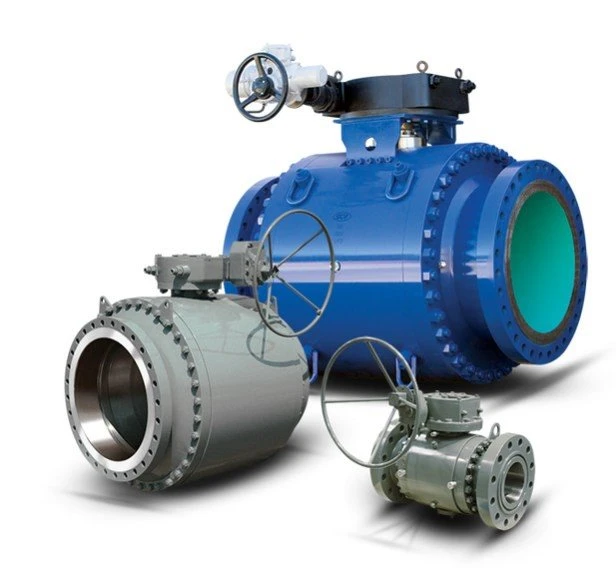

As a supplier, we ensure that all our butterfly valves are rigorously tested to meet the highest quality standards. Our valves are designed and manufactured using the latest technology and materials to provide long - term performance and reliability.
Cost Considerations
Cost is always a factor in any purchasing decision. However, it's important not to sacrifice quality for a lower price. Consider the total cost of ownership, which includes the initial purchase price, installation costs, maintenance costs, and energy consumption over the valve's lifespan.
A high - quality butterfly valve may have a higher upfront cost but can save you money in the long run by reducing maintenance and energy costs.
Installation and Maintenance
Proper installation and maintenance are essential for the optimal performance of the butterfly valve. Follow the manufacturer's installation instructions carefully to ensure correct alignment and sealing.
Regular maintenance, such as lubrication, inspection of seals, and checking for leaks, can extend the valve's lifespan and prevent unexpected failures. As a supplier, we can provide you with detailed installation and maintenance guidelines to ensure that your valve operates smoothly.
Making the Final Decision
After considering all the factors mentioned above, you should be able to make an informed decision on the right butterfly valve for your application. If you're still unsure, don't hesitate to consult with our technical experts. We have extensive experience in the valve industry and can provide you with personalized advice based on your specific requirements.
Contact Us for Your Butterfly Valve Needs
If you're in the market for a high - quality butterfly valve, we're here to help. Our wide range of butterfly valves is designed to meet the diverse needs of various industries. Whether you need a valve for a small - scale project or a large industrial application, we have the right solution for you.
Contact us today to discuss your requirements and start the purchasing process. Our team is ready to assist you in finding the perfect valve for your system.
References
- Valve Handbook, Edited by William W. Lyons
- Industrial Valves: Selection and Sizing, by Krishna P. Singh
- Standards and Practices for Valve Technology, API Publications