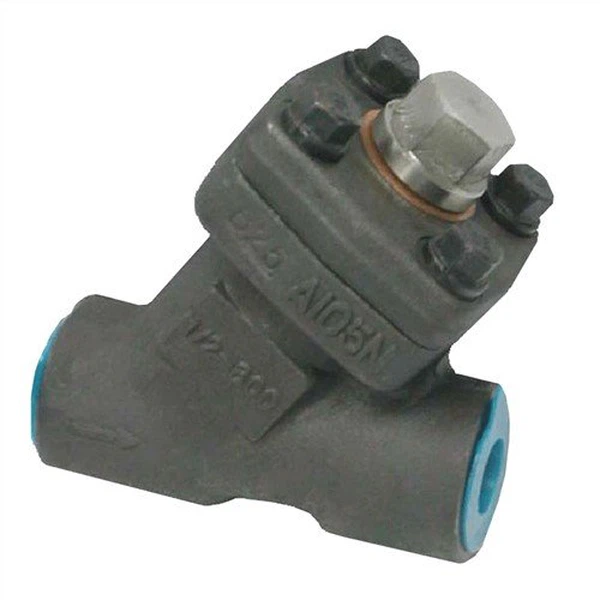
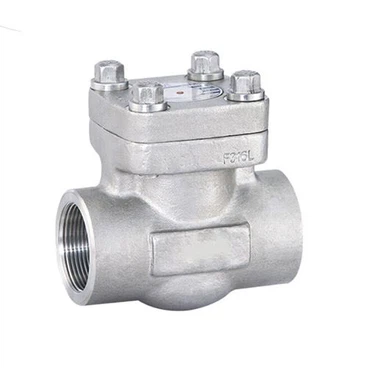
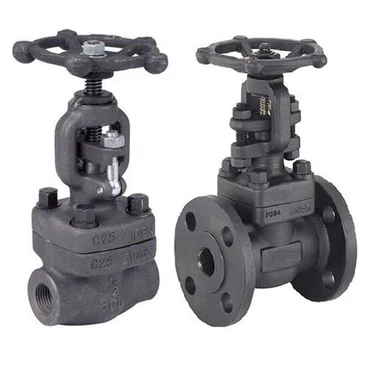
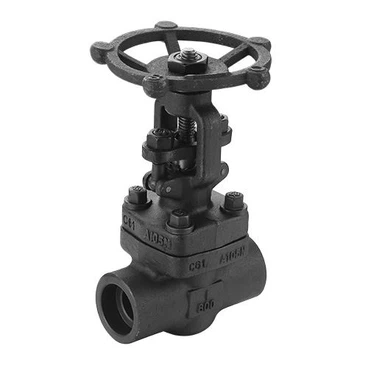
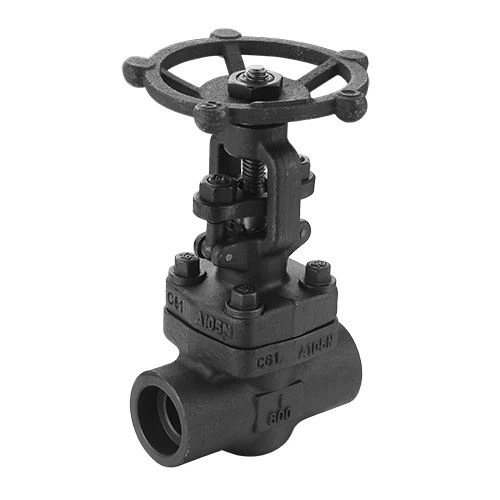
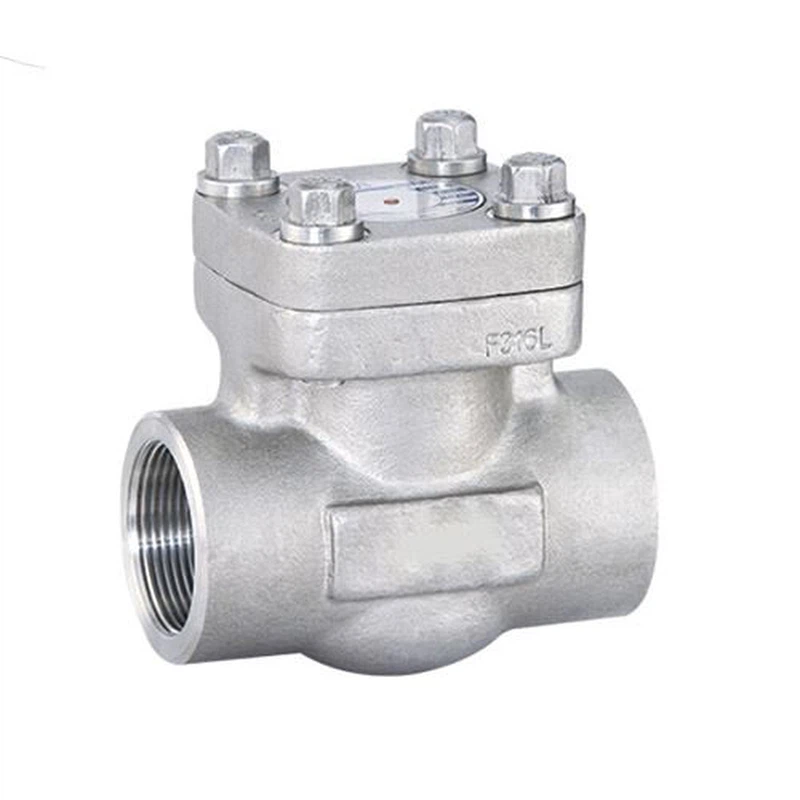
What is Forged Valve
A forged valve is made by the forging method. It involves heating metal until it becomes soft and then using mechanical forces to shape the metal into the desired shape. Forging defects include laps, cold shuts, cracks, and inclusions.Forged valves are generally used on small, high-grade pipelines. Their cost is higher than those produced by casting. Forging is generally a better choice for large sizes since large castings can result in extra leak paths. Forged valves are perfect for high-temperature applications. They are less prone to thermal fatigue and are stronger than other types of valves.
Rich experience
The company' s founder team graduated from mechanical and electrical automation majors and has been engaged in the valve industry for more than 20 years. It is committed to providing customers with a complete set of fluid control solutions. It is a company integrating scientific research and development, A large-scale valve enterprise integrating testing and testing, manufacturing and sales.
Wide product range
The company mainly produces API 6D pipeline ball valves, gate valves, globe valves, check valves, plug valves and API 609 series butterfly valves in 6 categories, with more than 1,000 specifications and varieties. Products widely cover petrochemical, coal chemical, nuclear power, LNG, marine, aerospace, metallurgy, papermaking and other industries.
Complete qualifications
The company has a complete international standardized management system, adopts the world's top precision casting technology and modern intelligent electronic detection system, and uses advanced SAP resource management, strip storage management system and ERP system to effectively manage the factory.
High standard products
After years of hard work and development, it has become a key backbone enterprise in the valve industry. It specializes in improving the innovation and manufacturing capabilities of special valves in harsh industrial environments. High-quality products and fast after-sales service have won praise and trust from customers at home and abroad.
Benefits of Forged Valve
Higher Strength and Durability
Forged valves are known for their superior strength and durability. They can withstand higher pressure and temperature conditions, making them suitable for various industrial applications. The forging process makes the valve stronger and resistant to strain, fatigue, and wear and tear. Unlike cast valves, forged valves are solid throughout, which reduces the risk of fractures or other forms of damage.
Greater Reliability
Because of the superior strength and durability and better corrosion resistance properties, forged valves are more reliable. They can handle severe fluid and gas applications with ease and without any significant wear or tear. This reduces the need for frequent valve replacements, which, in turn, leads to cost savings.

Oil and Gas Industry: In exploration, refining, and transportation, forged valves are critical for controlling the flow of petroleum products. They are used in wellheads, pipelines, and processing facilities where they must withstand harsh environments and corrosive substances.
Power Generation: Nuclear and thermal power plants rely on forged valves for safety and efficiency. They are used in steam turbine systems, cooling water circuits, and boiler feed systems.
Chemical Processing: Valves made from forged materials are essential in chemical plants where they handle corrosive fluids and gases. They are used in reactors, separators, and distillation columns.
Petrochemical Industry: Similar to the oil and gas industry, forged valves are used in the production of plastics, rubber, and other chemicals. They manage the flow of raw materials and finished products.
Pulp and Paper Manufacturing: Forged valves are used in paper mills for controlling the flow of pulp, black liquor, and other process fluids. Their durability is crucial in the high-temperature and caustic environment of paper production.
Water Treatment and Distribution: Forged valves are employed in water treatment plants to regulate the flow of water and control processes such as filtration, chlorination, and desalination. They also play a role in the distribution network, including pumps, tanks, and valve stations.
Marine and Shipbuilding: Ships and offshore platforms require forged valves for managing fuel, ballast, potable water, and seawater systems. These valves must be reliable under constant motion and exposure to saltwater.
Mining and Mineral Processing: In mining operations, forged valves are used for slurry transport, mineral processing, and ore washing. They handle abrasive materials and are resistant to erosion and wear.
Food and Beverage Industry: Forged valves are used in dairy, brewery, and food processing facilities. They comply with hygienic standards and are suitable for use with CIP (clean-in-place) systems.
Pharmaceutical and Biotech Industries: These industries require valves that meet stringent cleanliness and material specifications. Forged valves are used for fluid transfer, sterilization processes, and containment systems.
HVAC and Building Systems: Forged valves are used in heating, ventilation, and air conditioning systems for controlling the flow of air and water. They are often found in large commercial and industrial buildings.
Gate Valves
Gate valves are a type of forged valve designed to control the flow of liquid or gas in a pipeline. They're mostly used in water treatment facilities and chemical and power plants. Gate valves have a wedge-shaped gate that moves up or down to control the flow of fluid or gas. They are sturdy and corrosion-resistant, making them ideal for high-pressure applications.
01
Globe Valves
Globe valves are the most common type of forged valve. They have a disc or flat-bottomed sphere inside the valve that moves up or down using a stem. Globe valves are used in industries that deal with steam, air, or gas. They're best suited for applications that require throttling or regulating the flow of the fluid. Globe valves can be less durable than other forged valves because they have more moving parts.
02
Ball Valves
Ball valves are versatile forged valves used in various industries. They're available in different sizes and materials, and they're easy to operate. Ball valves have a spherical disc with a hole in the centre to control the fluid flow. They have low torque requirements and are, therefore, ideal for high-pressure applications. Ball valves are also used in the pharmaceutical and food industries due to their easy-to-clean surfaces.
03
Check Valves
These are forged valves that allow the fluid to flow in one direction only. They prevent backflow and are commonly used in industries that deal with liquids and gases under high pressure. Check valves to ensure the pipeline's safety by preventing any flow reversal. They are available in different types, including swing, lift, and spring-check valves.
04
Butterfly Valves
Butterfly valves have a disc that rotates on a vertical axis to control the flow of fluid or gas. They're lightweight, compact, and easy to install. They're often used in chemical processing, pharmaceuticals, and food handling due to their fast and efficient operation. Butterfly valves are also ideal for low-pressure applications.
05
How to Choose Forged Valve

Pressure and Temperature Ratings
One of the primary considerations when selecting forged valves is their pressure and temperature ratings. Ensure that the valve is rated to handle the specific pressure and temperature conditions of the application. Exceeding these ratings can lead to valve failure and potential safety hazards.

Valve Size and End Connections
The size of the valve should be determined based on the flow rate requirements of the system. Consider the pipe size and flow characteristics to select the appropriate valve size. Additionally, the end connections of the valve should match the piping system to ensure proper installation and connection.

Valve Type and Functionality
Different valve types serve specific purposes, such as gate valves, globe valves, ball valves, and check valves. Understand the requirements of the application and choose the valve type that best suits the intended functionality. Consider factors like flow control, shut-off capabilities, and ease of operation.

Material Selection
The material of the forged valve is crucial for its performance and longevity. Consider factors such as the fluid being handled, its corrosive nature, and compatibility with the piping system. Common materials used for forged valves include carbon steel, stainless steel, alloy steel, and exotic alloys. Consult with experts or valve manufacturers to determine the most suitable material for the application.

Corrosion Resistance
In corrosive environments, selecting a forged valve with excellent corrosion resistance is essential to prevent degradation and premature failure. Consider the presence of corrosive substances, chemicals, or gasses in the fluid being controlled and choose a valve with suitable corrosion-resistant coatings or materials.

Compliance with Industry Standards
Ensure that the chosen forged valve complies with relevant industry standards and regulations. This ensures that the valve meets quality and safety requirements, providing peace of mind and assurance of performance.

Operational Requirements
Consider the specific operational requirements of the system, such as the frequency of valve operation, speed of opening and closing, and control mechanisms. Select a valve that can meet these operational demands without compromising performance or safety.

Maintenance and Support
Evaluate the availability of maintenance and support services for the selected forged valve. Consider factors such as spare parts availability, ease of maintenance, and the reputation of the manufacturer or supplier in terms of after-sales support.
Forged Ball Valve Manufacturing Process
A forged ball valve offers added strength and durability for severe service applications.When you need a forged ball valve, the fabrication process works a little differently from cast ball valves. Just like cast valves, forged valve manufacturing begins with the design and engineering for the valve. You can choose many different design factors to suit your needs. Our team creates forged ball valves in a range of sizes, pressure classes, alloys, and trim packages. For instance, you can order our forged severe service ball valves in sizes ranging from ½” to 20” and classes from 150# to 4500# ANSI.
Once finalizing the valve design, our experts begin the fabrication process. Valve forging involves shaping metal components through mechanical forces, often using heat to make the steel more malleable. Valve bodies and internal components are all forged to provide strong, heavy duty, and reliable valves for your application.
During the forging process, typically we heat the metal and then compress, bend, and shape it to fit the forged ball valve design using a die forging machine. The die helps form the metal into the specific shape while the machine applies pressure to force the metal into the right shape. For larger valves, we may need to weld together different components. In some cases our team may need to also machine the components to enhance shape.
Maintenance and Care: Ensuring Longevity
Forged steel valves are engineered to be rugged and reliable, especially from top manufacturers like DHV Industries. However, with some regular care, they can offer even better performance and a longer life.
Regular Checks
Inspecting your valves is wise as you occasionally check a car’s tires or oil. This can help spot signs of wear, potential leaks, or any unusual symptoms that might need attention.
Clean and Lubricate
Over time, valves can collect dirt or other particles. A good cleaning followed by the correct lubrication ensures they operate without any hitches, reducing the chances of premature wear.


Keep an Eye on the Seals
Within each valve are vital parts called seals and gaskets. Their job is to prevent any leaks. Regularly checking these components ensures they’re in top shape, replacing them if they show signs of wear.
Operate Them Periodically
A valve that remains unused for long durations could risk getting stiff. Giving it a gentle use now and then ensures it stays in good working condition.
Handwheel: Handwheel is where you hold the valve to apply torque to start or stop fluid flow. The handwheel has a mechanism that enables the rotary force applied to move the valve disc up and down to open and close fluid flow, respectively.
Stem: Stem is a threaded shaft. This component connects the handwheel to the valve disc. It is responsible for transmitting the torque applied on the handwheel to the valve disc. Forged steel gate valve manufacturers have two designs of the stem that is the rising stem and the non-rising stem. As the name suggests, the rising stem rises upwards while the valve opens. Due to the stem rising upwards, the valve needs installation with enough space to accommodate the raised stem. It is reliable and helps the operator quickly know when the valve is opening and closing. The non-rising stem version is designed to move the valve disc upwards without the stem rising past the stem nut. The non-rising version of the valve is accompanied by a dial indicator that notifies the user when the valve is closing/opening. It occupies less amount of space relative to the rising stem type.
Disc: The disc is the component responsible for opening and closing the valve. A handwheel powers the disc via the stem. It moves upwards to allow fluid flow and downwards to stop fluid flow.
Body: The valve body is an outer part that houses the valve seat and disc. It is usually thick to enhance its ability to withstand high fluid pressure and temperature. Its strength ensures the valve is safe against impact damage from falling objects. The valve body contains the inlet and outlet ports of the valve. These ports are designed with butt ends or flanges to connect the valve to the pipe.
Valve Seats: Seats are components used to enhance tight seals between the valve disc and the body when the valve closes.
Bonnet: Bonnet is another part of the body mounted on top of the valve body. The bonnet helps to contain fluid pressure and prevent dirt entry into the valve. It makes accessing the valve's internal components easy for cleaning and repair.
Gland packing: Gland packing is configured around the stem to seal against fluid leakage and entry of dirt into the valve.
SUNAY is a professional manufacturer of valves. Headquartered in Anfeng Industrial Zone, Yongjia, Zhejiang. The company was established in 2010 with a registered capital of 10.8 million yuan and has three holding manufacturing companies. The company's founder team graduated from mechanical and electrical automation majors and has been engaged in the valve industry for more than 20 years. After years of hard work and development, it has become a key backbone enterprise in the valve industry. It specializes in improving the innovation and manufacturing capabilities of special valves in harsh industrial environments. It is committed to providing customers with a complete set of fluid control solutions. It is a company integrating scientific research and development, A large-scale valve enterprise integrating testing and testing, manufacturing and sales.The company mainly produces API 6D pipeline ball valves, gate valves, globe valves, check valves, plug valves and API 609 series butterfly valves in 6 categories, with more than 1,000 specifications and varieties.


We're well-known as one of the leading forged valve manufacturers and suppliers in China. We warmly welcome you to buy or wholesale customized forged valve at competitive price from our factory. Contact us for more details.
Forged Y-strainer,