Zhejiang Sunawei Valve Co., Ltd
+86-577-67330098
Contact Us
  • Tel: +86-577-67330098
  • Fax: +86-577-67998131
  • Mob: +8618757788866
  • Email: snv@sunawevalve.com
  • Add: Anfeng Industrial, Oubei Town, Wenzhou City, Zhejiang, China

What is Floating Ball Valve


A floating ball valve is a type of quarter-turn ball valve where the spherical body of the valve, which contains the bore through which the fluid passes, is not rigidly fixed to the valve stem. Instead, it is allowed to float freely within the housing. A floating ball provides impenetrable sealing when pushed onto its seats. It responds fast to shutting off or allowing fluid flow. It is very efficient in small scale applications for which other valves would be unsuitable due to size. It operates at high torque.

Why Choose Us?

Rich experience

The company' s founder team graduated from mechanical and electrical automation majors and has been engaged in the valve industry for more than 20 years. It is committed to providing customers with a complete set of fluid control solutions. It is a company integrating scientific research and development, A large-scale valve enterprise integrating testing and testing, manufacturing and sales.

Wide product range

The company mainly produces API 6D pipeline ball valves, gate valves, globe valves, check valves, plug valves and API 609 series butterfly valves in 6 categories, with more than 1,000 specifications and varieties. Products widely cover petrochemical, coal chemical, nuclear power, LNG, marine, aerospace, metallurgy, papermaking and other industries.


Complete qualifications

The company has a complete international standardized management system, adopts the world's top precision casting technology and modern intelligent electronic detection system, and uses advanced SAP resource management, strip storage management system and ERP system to effectively manage the factory.

High standard products

After years of hard work and development, it has become a key backbone enterprise in the valve industry. It specializes in improving the innovation and manufacturing capabilities of special valves in harsh industrial environments. High-quality products and fast after-sales service have won praise and trust from customers at home and abroad.


First 12 Last 1/2
Benefits of Floating Ball Valve


Sealing Pressure

As the ball valve operates and the flow of fluid causes the ball to rotate 90 degrees, the seating surfaces (the ball and the seats) come into contact under the influence of the fluid pressure. This means that the sealing force increases with the operating pressure, potentially leading to tighter seals and improved shutoff capabilities.

01

Self-Alignment

Due to its floating nature, the ball is able to align itself with the flow path, which can enhance the valve's ability to seal tightly. This self-alignment also reduces wear on the seating surfaces, extending the service life of the valve.

02

Bubble-Tight Shutoff

In many cases, floating ball valves are capable of providing bubble-tight shutoff even with relatively low torque requirements. This makes them suitable for applications where leakage must be minimized.

03

Compact Design

The simplicity of the floating ball design often results in a compact and lightweight valve, which can be advantageous in space-constrained applications.

04

Cost-Effectiveness

Floating ball valves are generally less expensive than other types of ball valves because of their simpler construction. This makes them an economical choice for many applications.

05


What are the Applications of Floating Ball Valve


Chemical manufacturing plants

The transmission of chemicals through pipelines during production requires stringent management. More so where corrosive chemicals are involved because leakages and high reactive temperatures could harm staff or the surrounding environment. The full-proof sealing added to trunnion ball valves during manufacturing and their high-temperature resilience makes them ideal for the safe management of such fluids.


Petroleum industry applications

Trunnion ball valves manufactured to API 6D standards are recommended for petrochemical industry applications because they are leak-proof and can handle high pressure. These features are especially useful in high-volume petrochemical pipelines and gas lines which require careful pressure management.


Power generation

Power is generated using different fuels. Geothermal power, for example, is generated using steam while hydropower relies on water. In each case, the medium used to generate power needs to be released into the system in measured units. A trunnion ball valve is suitable for controlling the flow of such media as It can keep up with the large-scale, high temperatures, and high-pressure nature of such operations.


Emergency shut-off systems

Pipeline systems such as those involving fuels, water, or critical gases often require a fast-responding shut-off valve in case of emergencies. Given as this type of ball valve is unmounted, it works fast and is therefore suitable for SIL 3 emergency shut-offs.


Water systems

Water distribution systems require that pressure is maintained at optimum levels to sustain flow and prevent air pockets from restricting the flow of water. The flow of water also needs to be controlled to prevent overflows. A floating ball valve would be a good choice for water system control as it is pressure-sensitive and can open and shut as needed based on pressure conditions.


Pipeline pressure relief

Pipeline pressure management is essential to avoid busts and similar mishaps. A floating ball valve can be added in a pipeline as a pressure outlet valve as it takes on the pressure while remaining intact as opposed to a mounted ball valve that could sometimes blow out.


Types of Floating Ball Valve


modular-1

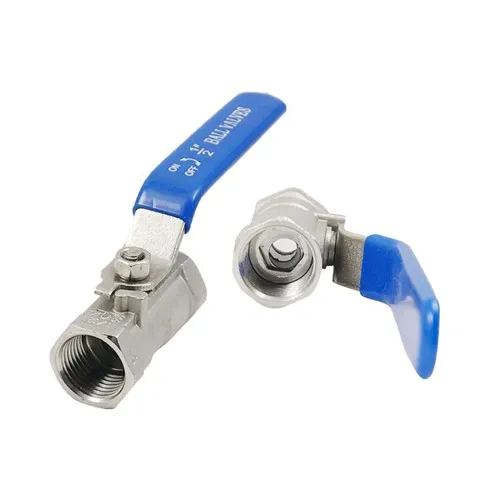
One-piece floating ball valve

One-piece ball valve and flange gate valve belong to the same type of valve, being the closing member the main difference between them. Obviously, the one-piece ball valve uses a sphere in which rotates around the center line of the body, while the flange gate valve opens a type of gate by lifting the blocking structure when the handle is rotated. The ball valve is mainly used in the pipeline to cut off, distribute and change the flow direction of the medium. Also known as integral ball valve, it is a new type of valve which has been widely used in recent years.

modular-2

Two-piece floating ball valve

The two-piece floating ball valve takes its name from the fact that it is made of two parts called the left and the right body which are connected to each other through threads and bolts or by welding them. This type of valve is suitable for different working conditions such as high temperature and high pressure.

modular-3

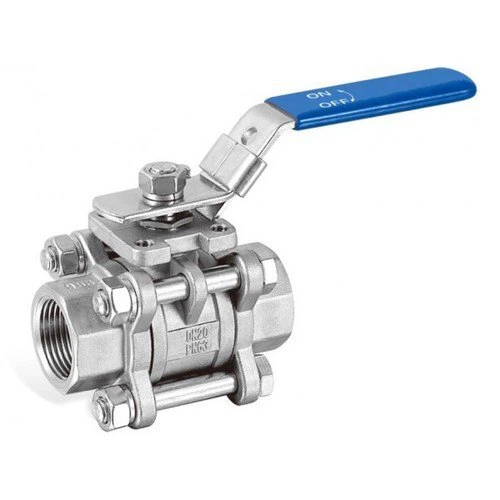
Three-piece floating ball valve

The three-piece floating ball valve refers to a floating ball valve whose body is composed of three parts from left to right. The parts are usually a body and two bonnet. Similar to the case of two-piece floating ball valves, the end caps are usually connected through threads and bolts, by welding them or flanged to the pipe.


Components of Floating Ball Valve


1

Valve Body: This is the main part of the valve and contains all of the components for on/off control.

2

Rotary Ball: The ball is designed with a center bore (hole) that the media flows through. The direction of the ball is controlled by turning the stem.

3

Stem: This connects the ball to the external control mechanism. For example, in a manual ball valve the stem is connected to a handle or lever.

4

Seats: These are discs that lie in between the body and the ball. Seats provide a seal between the two and also support the ball.

5

Power Source: The stem of the ball valve is rotated using manual or actuated power sources. Manual actuation includes levers and handles that are controlled by an operator. Automated power sources like electric, pneumatic and hydraulic actuation are also available.

6

Packing: This is a seal around the stem that prevents the media from escaping.

7

Bonnet: The bonnet is the part of the body that contains the stem and packing.


productcate-626-468


How Do Floating Ball Valves Work?

Floating ball valves are operated by a shaft, or stem, attached to the top of the ball that turns it 90 degrees (a quarter turn). As the ball rotates, the port is covered or uncovered by the wall of the valve body, either releasing or halting the flow of media. The stem is attached loosely enough to the ball that, as the ball rotates on its axis, the pressure of the flow pushes the ball against its downstream seat, creating a tight seal. For this reason, floating ball valves may not seal as effectively in very low pressure applications after a certain amount of seat wear has occurred. This is because there may not be enough media pressure to force the ball against the downstream seat to create a tight seal. However, in most applications downstream pressure is sufficient to maintain a tight seal long after the seats have begun to wear.


Floating Ball Valve Features


Lightweight and Compact Design

Floating ball valves are designed to be lightweight and compact, making them easy to install and suitable for use in tight spaces.In the open position, the ball does not contact the seat, which reduces wear on the sealing surfaces and prolongs the valve's life.

 
Simple Operation

The operation of a floating ball valve involves turning the handle 90 degrees to open or close it, providing quick and efficient control over the flow.

 
Versatility

Floating ball valves can be used with a variety of fluids, including gases, liquids, and slurries, and can handle different temperatures and pressures, depending on the valve's construction materials and rating.When the valve is closed, the ball is forced against the seat by the fluid pressure, creating a tight seal. This positive sealing ensures minimal leakage.

 
Wide Range of Sizes and Materials

Floating ball valves are available in various sizes and materials to suit different application requirements, from small residential applications to large industrial processes.Most floating ball valves can be installed in either direction of flow, offering flexibility in pipeline design.

 
Cost-Effectiveness

Because of their simple design and widespread availability, floating ball valves are generally cost-effective, making them a popular choice for many industries.With proper maintenance and selection, floating ball valves can achieve bubble-tight shutoff, even with corrosive or viscous fluids.Due to the design of the ball and seat, floating ball valves typically require less torque to operate compared to other types of valves, reducing operational effort.


How to Choose Floating Ball Valve


Valve Size

Select a valve with a diameter that matches the pipe size to ensure proper flow and fit within the system.Determine the maximum working pressure of your system and choose a valve with a higher pressure rating to ensure safety and reliability.The valve material must be capable of withstanding the highest temperature anticipated in your process. Check the valve's temperature rating to ensure compatibility.

01

Temperature Range

The valve material must be capable of withstanding the highest temperature anticipated in your process. Check the valve's temperature rating to ensure compatibility.Consider the chemical compatibility of the valve materials with the fluid being handled. Common materials include stainless steel, carbon steel, brass, PVC, and PTFE-coated metals.

02

Safety Features

Depending on the application, you might require additional safety features like emergency shutdown (ESD) capabilities, blowout prevention, or indication of the valve position (position indicators or limit switches).Choose a reputable manufacturer with a track record of quality and reliable customer support.

03

Manual or Automated Operation

Decide whether the valve will be operated manually or automatically (using electric, pneumatic, or hydraulic actuators). This will impact the choice of valve design and additional components. Evaluate the required torque to operate the valve and choose a model that matches the capabilities of your actuator or manual operator.

04

Maintenance and Service

Consider the ease of maintenance and service for the valve. Some designs allow for quick replacement of seats and O-rings without disassembling the entire valve.Check if the valve has the necessary certifications (e.g., ISO, ASME, API, etc.) and adheres to industry standards for your specific application.

05


How to Maintain Floating Ball Valve


1

Regular Inspection: Perform visual inspections regularly to check for any signs of damage, leaks, or corrosion. Pay special attention to the body, bonnet, stem, and seat areas.

 
2

Cleaning: Keep the valve clean, both externally and internally. External cleaning can be done with a cloth and mild detergent. For internal cleaning, shut down the system, remove the valve if possible, and gently brush away any accumulated debris.

 
3

Lubrication: Apply an appropriate lubricant to the stem area to reduce friction and prevent sticking. Use a grease gun to introduce lubricant through the stuffing box, if applicable. Ensure the lubricant is compatible with the service conditions, especially the fluid temperature.

 
4

Sealing Element Replacement: The sealing elements, such as O-rings and seats, are subject to wear and tear. Inspect these components periodically and replace them as needed to maintain tight shutoff and prevent leaks.

 
5

Actuator Maintenance: If the valve is automated, check the actuator according to the manufacturer’s recommendations. This includes checking the power source, control signals, and mechanical linkages.

 
6

Pressure Testing: Conduct pressure tests to ensure the integrity of the valve and its ability to withstand the system's working pressure. Look for leaks around the body and bonnet connections.Periodically test the valve's function by opening and closing it several times to ensure smooth operation. Listen for any unusual sounds that could indicate internal issues.

 
7

Storage: When not in use, store the valve in a dry, clean environment to protect it from dirt, moisture, and corrosive substances.Protect the valve from corrosion by using coatings or inhibitors, especially in aggressive environments. Regularly inspect and replace any sacrificial anodes if the valve is made from materials susceptible to galvanic corrosion.


Our Factory


SUNAY is a professional manufacturer of valves. Headquartered in Anfeng Industrial Zone, Yongjia, Zhejiang. The company was established in 2010 with a registered capital of 10.8 million yuan and has three holding manufacturing companies. The company's founder team graduated from mechanical and electrical automation majors and has been engaged in the valve industry for more than 20 years. After years of hard work and development, it has become a key backbone enterprise in the valve industry. It specializes in improving the innovation and manufacturing capabilities of special valves in harsh industrial environments. It is committed to providing customers with a complete set of fluid control solutions. It is a company integrating scientific research and development, A large-scale valve enterprise integrating testing and testing, manufacturing and sales.The company mainly produces API 6D pipeline ball valves, gate valves, globe valves, check valves, plug valves and API 609 series butterfly valves in 6 categories, with more than 1,000 specifications and varieties.


baiduimg.webp
baiduimg.webp
baiduimg.webp


FAQ


Q: What is the purpose of a floating ball valve?

A: Floating ball valves are the most common type of valve used in industrial piping systems. These valves are designed so that as the seats begin to wear the pressure from the media flowing through the valve will force the ball against the downstream seat to maintain a tight seal.

Q: What is the difference between trunnion and floating ball valves?

A: A trunnion ball is attached and centred inside the valve body through both a top shaft -the valve stem- and a bottom shaft-the trunnion. A floating ball is attached to the valve body only through the valve stem. As a result, the floating ball ''floats'' in the valve seats.There are five general body styles of ball valves: single body, three-piece body, split body, top entry, and welded. The difference is based on how the pieces of the valve—especially the casing that contains the ball itself—are manufactured and assembled.

Q: What can I use instead of a ball float valve?

A: The Quick Stop Advance Float Valve is designed as an alternative to conventional ballcock valves in water tanks to protect booster pumps. The Quickstop goes instantly from fully open to fully closed, preventing repeated stop/start cycling of pumps when filling tanks or cisterns.A ballcock (also balltap or float valve) is a mechanism or machine for filling water tanks, such as those found in flush toilets, while avoiding overflow and (in the event of low water pressure) backflow.

Q: What is the best type of float valve?

A: The premium Best Float Valve (aka Watson valve) is the most durable and simple livestock water trough float valve on the market. These float valves will successfully run in any type of water tank and will handle up to 90 psi with the barrel float- up to 160 psi with our pan floats.

Q: What are the three types of ball valve?

A: Conclusion. According to its channel positions, sanitary ball valve can be divided into straight-through, three-way, and right angle types. Three-way and right-angle ball valves are used to dispense the medium and change the flow direction of the medium.

Q: What is the difference between a Type 1 and Type 2 ball valve?

A: Location of Water Outlet: Part 1 valves have the water outlet underneath, while Part 2 valves have it on top with a plastic nozzle directing water downward. You'll usually find these in loft tanks or feed and expansion tanks.

Q: Why use a ball valve instead of a gate valve?

A: Flow Capacity: A gate valve can provide larger flow capacity than a ball valve as they are typically offered in larger diameters. Opening and closing speed: A ball valve is better suited for applications that require faster opening and closing speed or during emergencies due to its quarter turn on/off operation.A variety of factors can contribute to ball valve failure including poor design (chemical compatibility, rated pressure/flow rate, etc.), faulty installation, and/or improper operation.

Q: What material is floating ball valve?

A: FORCE floating ball valves are designed in accordance with API 6D for ASME Class ratings 150 to 2500, Nominal sizes from 1/2″ to 12″. Valves have been designed for use with various combinations of materials such as: Carbon Steel, Low Carbon Steel, Special Alloy, Stainless Steel, Monel, Inconel.

Q: What is an example of a float valve?

A: An example of the floating valve activity would be using a float valve in-stream pressure diminishing valves. Using a subvalve, the floating valve has some control over the main valve. The sub valve would set a water level in the tank. If the water level exceeds this level, it will close.

Q: How do you stop valves from floating?

A: Valve float can also be prevented by using lighter valvetrain components. Titanium valves, retainers, and pushrods are commonly used for this purpose. Undercut valves can both increase flow and decrease weight. Also, by using more than the traditional two valves per cylinder, smaller and lighter valves can be used.

Q: Where is float valve used?

A: You will find float valves in well systems, in bucket pumps and, of course, in toilet tanks. The concept of the float valve is simple. A floating ball or bowl moves along the surface of the water in a well or container and activates a valve or switch when the water level reaches a predetermined limit.

Q: Should float valve be up or down?

A: The float valve is designed to be pushed up once there is sufficient pressure inside the cooker. Once pushed up, the silicone band seals the instant pot and the pin of the float valve serves as a lock, preventing the lid from being opened before the pressure is released.Here, price means the quality. In general, a common toilet fill valve lasts for about four to five years if you take proper care and maintenance.

Q: What is a Type 2 ball valve?

A: There is two most popular type of float valves, i.e., part 1 and part 2. Part 1 float valves have a spout on the underside, whereas a correspondingly shaped part 2 ball valve has an outlet spout on the top of its body. The spout of a part 1 ball valve is typically located in a feed or expansion tank.

Q: Why is it called a ball valve?

A: A ball valve is a form of quarter-turn valve that uses a pivoting ball that has been drilled through to control flow. When the hole is in line with the flow direction, it allows fluids or gasses to pass through. Alternatively, when the ball is turned 90 degrees, the flow is stopped completely.

Q: Is a ball valve a 2 way valve?

A: A 2-way manual ball valve has two ports: an inlet, an outlet, and a ball with a bore. A manual ball valve is operated by turning the handle 90 degrees, so they are also called quarter-turn valves. The handle is connected directly to the ball through the stem.

Q: Are all float valves the same?

A: While the design has changed over the years, and a variety of materials have been used in the construction, they all work pretty much the same. Older tank floats were made of a plastic ball attached to a metal rod. Go back even further in time, and you'll discover floats made from brass, copper, or even glass.

Q: What's the difference between a Part 1 and Part 2 float valve?

A: On Part 1 or 'Portsmouth' valve, the outlet is on the valve's underside. Whereas on Part 2 or 'diaphragm' valve, the outlet is on the top of the valve. Water flows into the cistern via a small plastic spout which screws onto the valve body.

Q: What is a part 3 float valve?

A: Part 3 float valves (also known as ballcocks, inlet valves, fill valves or ball valves) look like part 2 valves and operate in the same way – the main difference is that they are made from plastic instead of brass.When using a valve for low-pressure applications, it is preferable to utilise a low-pressure valve. A high-pressure ball valve is designed to withstand more significant working pressures while allowing a continuous fluid stream to flow through the valve.

Q: Which is best ball valve?

A: Kirloskar Valves is known for its superb valve performance. As a ball valve manufacturer, Kirloskar offers ball valves in one piece, two-piece, and three-piece designs. Customers can also choose from reduced bore or full bore configurations.Similar to gate valves, ball valves should be all the way open to allow the full flow of water or all the way closed to restrict all water from flowing. The valve is controlled by moving it between 0 and 90 degrees. If the lever is aligned with the pipe, water will flow.

Q: When should you use a ball valve?

A: Ball valves are recommended for applications that require frequent, quick control over the flow of liquid. Water hammer: Because ball valves can open and close immediately, they are more likely than gate valves to cause water hammer.A ball valve life expectancy is about eight to ten years. For such a simple mechanical device, the ball valve has enormous value to the gas and water industries.Because of their design, ball valves can perform an almost immediate shutoff, whereas gate valves are not able to act as quickly. This makes ball valves a better choice for applications where fast cycle speed is desired. The 90° operation of ball valves makes them faster to cycle, both manually and with an actuator.


We're well-known as one of the leading floating ball valve manufacturers and suppliers in China. We warmly welcome you to buy or wholesale customized floating ball valve at competitive price from our factory. Contact us for more details.

y ball valve, 1 5 inch pvc valve, poly ball valve

(0/10)

clearall