


As a trusted wafer check valve supplier, I understand the critical importance of ensuring the safe transportation of these precision components. The integrity of wafer check valves during transit is crucial to maintain their functionality and performance, which are essential for various industrial applications. In this blog post, I will share some key strategies and best practices to guarantee the safe transportation of wafer check valves.
Packaging Design
The first step in ensuring safe transportation is to design appropriate packaging. The packaging should provide sufficient protection against impacts, vibrations, and environmental factors such as moisture and dust. We use high - quality corrugated cardboard boxes with multi - layer construction to offer excellent shock absorption. Inside the box, we use customized foam inserts that are precisely cut to fit the shape of the wafer check valves. This foam not only cushions the valve during transit but also prevents it from moving around inside the box.
For larger orders or fragile valves, we may employ wooden crates. Wooden crates are much more robust and can withstand more severe handling conditions. They also provide additional protection against pests and can be easily labeled for identification. The crates are reinforced with metal bands to ensure their structural integrity.
Securing the Valve
Once the valve is placed in the packaging, it is essential to secure it properly. Each wafer check valve has features such as ports and flanges that need to be protected. We use plastic caps to cover the ports, which prevent dust, debris, and moisture from entering the valve during transit. For the flanges, we use rubber gaskets to protect the sealing surfaces. These gaskets are made from high - quality materials that can withstand temperature variations and prevent any damage to the flange surfaces.
Moreover, we use straps or ties to keep the valve in place within the packaging. This is especially important for valves with irregular shapes or those that are prone to shifting. By tightly securing the valve, we can minimize the risk of damage caused by internal movement.
Handling and Loading
Proper handling and loading are also crucial for the safe transportation of wafer check valves. All the personnel involved in the handling process should be well - trained. They need to understand the importance of gentle handling to avoid any sudden shocks or impacts. Forklifts and other handling equipment should be operated carefully, and the operators should be aware of the fragility of the valves.
During loading, we make sure that the packaged valves are placed in an orderly manner. They should be stacked stably to prevent them from toppling over during transit. We also avoid over - stacking, as excessive weight on the lower packages can cause damage to the valves inside. When using containers for shipping, we leave enough space between the packages to allow for proper ventilation and to prevent friction between the boxes.

Transportation Mode Selection
Choosing the right transportation mode is a significant factor in ensuring the safety of wafer check valves. For short - distance deliveries, road transportation is usually the most convenient option. However, we need to select reliable carriers with a good track record of safe transportation. The trucks used for transportation should be equipped with proper shock - absorbing devices. Additionally, the trucks should be enclosed to protect the valves from weather conditions.
For long - distance or international shipments, air freight and sea freight are common choices. Air freight is fast and generally safer as there are fewer handling steps. However, it can be more expensive. Sea freight is more cost - effective for large shipments but takes longer. When shipping by sea, we ensure that the containers are properly sealed to prevent water ingress. We also take into account the potential for rough seas and strong winds, so additional protective measures may be required.
Labeling and Documentation
Clear labeling is essential for the safe transportation of wafer check valves. Each package should be labeled with information such as the product name, model number, quantity, and handling instructions. The handling instructions should include details like “This side up,” “Fragile,” and “Handle with care.” This helps the handlers to understand the nature of the product and take appropriate precautions.
Accurate documentation is also necessary. The shipping documents should include a detailed description of the wafer check valves, including their specifications, dimensions, and any special requirements. This information is useful for customs clearance and for the recipient to verify the contents of the shipment.
Tracking and Monitoring
Tracking the shipment is an effective way to ensure the safety of wafer check valves during transportation. We use tracking systems provided by the carriers to monitor the location and status of the shipment in real - time. This allows us to detect any potential issues, such as delays or unexpected stops. If any problems are detected, we can take immediate action to resolve them.
In addition to tracking the location, we can also monitor environmental conditions during transit. For example, some high - tech tracking devices can measure temperature, humidity, and shock levels. By analyzing this data, we can determine if the valves have been exposed to any adverse conditions and take appropriate measures to assess the valve's condition upon arrival.
Comparison with Other Check Valve Types
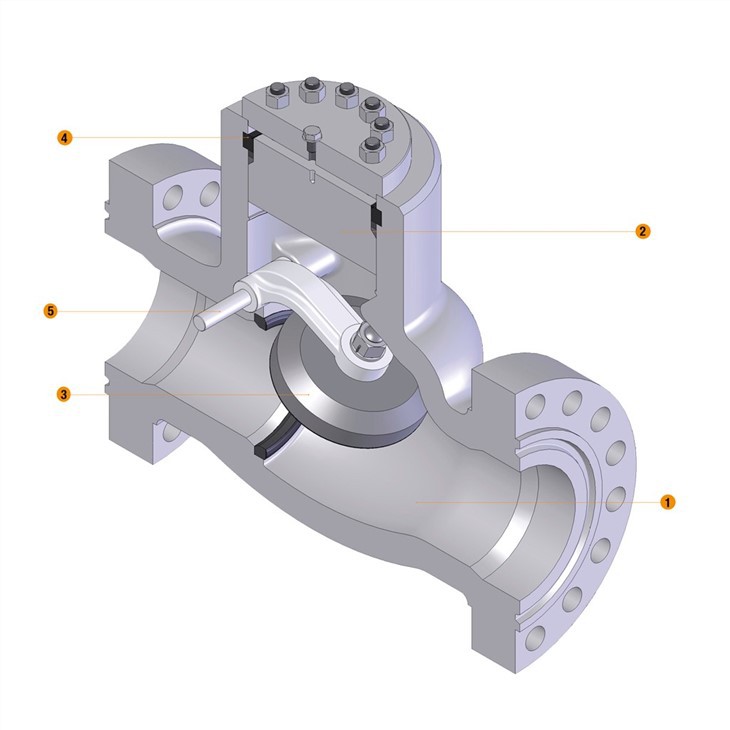
It's also worth comparing wafer check valves with other check valve types during the transportation process. For instance, Lift Flange Check Valves Lift Flange Check Valve and Pressure Seat Swing Check Valves Pressure Seat Swing Check Valve may have different handling requirements. Lift flange check valves typically have a more complex internal structure, which may require more careful packaging to protect the internal components. Pressure seat swing check valves may be larger and heavier, so more robust packaging and more careful handling during loading and unloading are necessary. Swing Check Valves Swing Check Valve are designed with a swinging disc, and special attention should be paid to prevent the disc from being damaged during transportation.
Conclusion
Ensuring the safe transportation of wafer check valves requires a comprehensive approach that includes proper packaging, secure handling, appropriate transportation mode selection, clear labeling, accurate documentation, and effective tracking and monitoring. By following these best practices, we can minimize the risk of damage to the valves during transit and ensure that they reach our customers in perfect working condition.
If you are in the market for high - quality wafer check valves and are concerned about their safe transportation, feel free to contact us for more information and to discuss your specific requirements. We are committed to providing you with the best products and services to meet your industrial needs.
References
- Industrial Valve Handling and Transportation Guidelines, Industry Standards Organization
- Packaging Best Practices for Precision Components, Packaging Research Institute