


A wafer check valve is a crucial component in many fluid systems, designed to allow flow in one direction and prevent backflow. As a supplier of wafer check valves, I understand the importance of these valves in maintaining the efficiency and safety of various industrial processes. However, like any mechanical device, wafer check valves can malfunction. In this blog post, I'll share some insights on how to troubleshoot a malfunctioning wafer check valve.
Understanding the Basics of a Wafer Check Valve
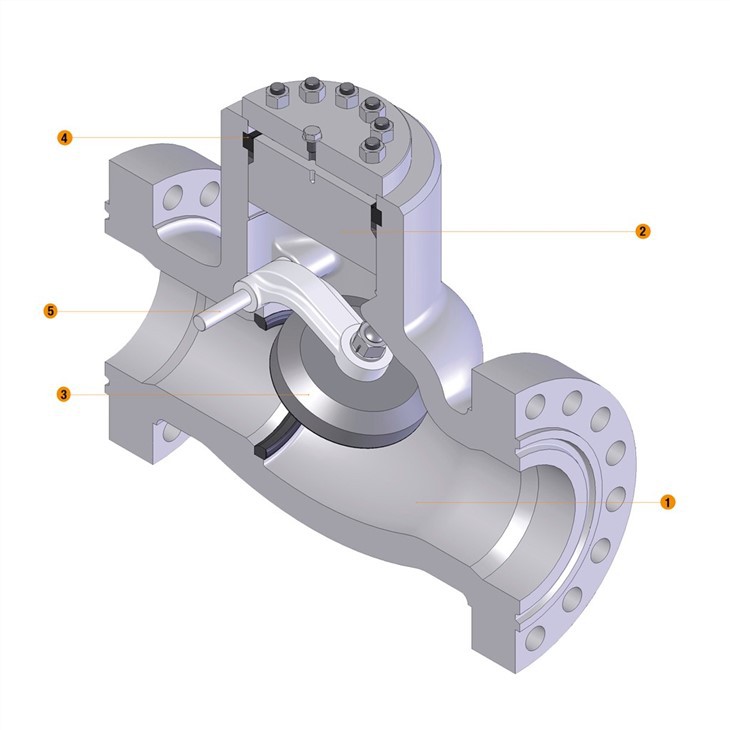
Before diving into troubleshooting, it's essential to understand how a wafer check valve works. A wafer check valve is a type of Non-return Valve that is installed between two flanges in a pipeline. It typically consists of a disc that is hinged or spring-loaded. When the fluid flows in the forward direction, the disc opens, allowing the fluid to pass through. When the flow reverses, the disc closes to prevent backflow.
Common Symptoms of a Malfunctioning Wafer Check Valve
There are several signs that a wafer check valve may be malfunctioning. These include:
- Leakage: One of the most obvious signs is leakage around the valve. This can be due to a damaged seal, a cracked disc, or improper installation.
- Noise: Unusual noises, such as rattling or banging, can indicate that the disc is not closing properly or is vibrating due to turbulent flow.
- Reduced Flow: If the flow rate through the valve is lower than expected, it could be because the valve is partially blocked or the disc is not opening fully.
- Backflow: The presence of backflow is a clear indication that the valve is not functioning correctly. This can lead to contamination of the system and potential damage to other components.
Troubleshooting Steps
Step 1: Visual Inspection
The first step in troubleshooting a wafer check valve is to perform a visual inspection. Start by checking the valve for any obvious signs of damage, such as cracks, dents, or corrosion. Inspect the seal for any signs of wear or damage. Make sure the valve is properly installed between the flanges and that the bolts are tightened to the correct torque.
Step 2: Check the Flow Direction
Ensure that the valve is installed in the correct flow direction. A wafer check valve is designed to work in one direction only, and installing it backwards will cause it to malfunction. The arrow on the valve body indicates the correct flow direction.
Step 3: Test the Disc Movement
If possible, manually test the movement of the disc. Open and close the valve several times to see if the disc moves freely. If the disc is stuck or does not move smoothly, it could be due to debris or a mechanical problem.
Step 4: Check for Blockages
Inspect the valve and the pipeline for any blockages. Debris, such as dirt, sand, or small particles, can accumulate inside the valve and prevent the disc from opening or closing properly. Use a pipe cleaner or a small brush to remove any visible debris.
Step 5: Measure the Pressure
Use a pressure gauge to measure the pressure before and after the valve. A significant pressure drop across the valve could indicate a blockage or a problem with the valve opening. Compare the measured pressure with the expected values based on the system requirements.
Step 6: Inspect the Spring (if applicable)
Some wafer check valves are spring-loaded. If your valve has a spring, check it for any signs of damage or fatigue. A weak or broken spring can cause the disc to open or close incorrectly.

Step 7: Check the Installation
Review the installation process to ensure that all the steps were followed correctly. Check the alignment of the valve between the flanges, the gasket installation, and the torque of the bolts. Incorrect installation can lead to leakage and other problems.
Specific Malfunctions and Solutions
Leakage
- Damaged Seal: If the seal is damaged, replace it with a new one. Make sure to use a seal that is compatible with the valve and the fluid in the system.
- Cracked Disc: A cracked disc will need to be replaced. Contact your valve supplier for a replacement disc or a new valve.
- Improper Installation: Tighten the bolts to the correct torque or realign the valve if it is not properly installed.
Noise
- Turbulent Flow: If the noise is due to turbulent flow, consider installing a flow straightener upstream of the valve to reduce the turbulence.
- Loose Disc: Check if the disc is loose or not properly seated. Tighten any loose components or replace the disc if necessary.
Reduced Flow
- Blockage: Remove any blockages from the valve and the pipeline. You may need to use a cleaning solution or a high-pressure water jet to remove stubborn debris.
- Partially Open Disc: If the disc is not opening fully, check for any mechanical obstructions or a problem with the spring (if applicable).
Backflow
- Damaged Disc: A damaged disc may not be able to close properly, allowing backflow. Replace the disc or the entire valve.
- Weak Spring: If the valve is spring-loaded, a weak spring may not be able to provide enough force to keep the disc closed. Replace the spring.
When to Replace a Wafer Check Valve
In some cases, troubleshooting may not be enough, and you may need to replace the wafer check valve. Consider replacing the valve if:
- The valve is severely damaged and cannot be repaired.
- The valve has reached the end of its service life.
- The valve has failed multiple times despite troubleshooting and repairs.
Conclusion
Troubleshooting a malfunctioning wafer check valve requires a systematic approach. By following the steps outlined in this blog post, you can identify and resolve most common problems. However, if you are unsure or if the problem persists, it's always a good idea to consult a professional.
As a wafer check valve supplier, we offer a wide range of high-quality valves, including Pressure Seat Swing Check Valve and Single Disc Swing Check Valve. If you are experiencing problems with your wafer check valve or are looking for a reliable valve for your system, we invite you to contact us for a consultation and to discuss your procurement needs.
References
- "Valve Handbook" by Valve Manufacturers Association
- "Fluid Mechanics and Hydraulics" by Robert L. Mott