


When it comes to industrial valves, the Y-Type Globe Valve is a popular choice for many applications. As a supplier of Y-Type Globe Valves, I often get asked about the noise level when these valves are in operation. In this blog post, I'll delve into the factors that influence the noise level of a Y-Type Globe Valve, how to measure it, and ways to mitigate excessive noise.
Understanding the Y-Type Globe Valve
Before we discuss the noise level, let's briefly understand what a Y-Type Globe Valve is. A Y-Type Globe Valve is a type of linear motion valve used for regulating flow in a pipeline. Its design features a body with a Y-shaped passage, which allows for a more streamlined flow path compared to other types of globe valves. This design reduces pressure drop and is suitable for applications where flow control and throttling are required.
Factors Influencing the Noise Level
Several factors can influence the noise level when a Y-Type Globe Valve is in operation. These include:
Flow Rate
The flow rate of the fluid passing through the valve is one of the primary factors affecting noise. Higher flow rates generally result in increased turbulence and pressure fluctuations, which can lead to louder noise levels. When the fluid velocity exceeds a certain critical value, it can cause cavitation, a phenomenon where vapor bubbles form and collapse, producing a loud popping or cracking sound.
Pressure Drop
The pressure drop across the valve is another significant factor. A large pressure drop can create high-velocity jets and eddies within the valve, generating noise. The greater the difference in pressure between the inlet and outlet of the valve, the more likely it is to produce excessive noise.
Valve Design
The design of the Y-Type Globe Valve itself can also impact the noise level. Factors such as the shape of the valve seat, the size and configuration of the valve plug, and the internal flow path can all affect the flow characteristics and, consequently, the noise generated. Well-designed valves with smooth internal surfaces and optimized flow paths tend to produce less noise.
Fluid Properties
The properties of the fluid being handled, such as its viscosity, density, and compressibility, can influence the noise level. For example, a highly viscous fluid may flow more smoothly through the valve, resulting in lower noise levels compared to a low-viscosity fluid. Additionally, compressible fluids, such as gases, can produce more noise due to the expansion and contraction that occurs during flow.
Measuring the Noise Level
To accurately assess the noise level of a Y-Type Globe Valve in operation, it is necessary to use appropriate measuring equipment. Sound level meters are commonly used to measure the sound pressure level (SPL) in decibels (dB). The measurement should be taken at a specific distance from the valve, typically 1 meter away, and at a height of 1.5 meters above the ground.
It is important to note that the noise level can vary depending on the operating conditions of the valve. Therefore, multiple measurements should be taken at different flow rates and pressure drops to obtain a comprehensive understanding of the valve's noise characteristics.
Mitigating Excessive Noise
If the noise level of a Y-Type Globe Valve is found to be excessive, there are several strategies that can be employed to mitigate it. These include:
Optimizing the Valve Design
As mentioned earlier, the design of the valve can have a significant impact on the noise level. By optimizing the valve seat shape, valve plug design, and internal flow path, it is possible to reduce turbulence and pressure fluctuations, thereby lowering the noise generated. Some valve manufacturers offer low-noise valve designs specifically engineered to minimize noise.
Reducing the Flow Rate
One of the simplest ways to reduce the noise level is to decrease the flow rate through the valve. This can be achieved by adjusting the upstream or downstream flow control devices, such as pumps or regulators. However, it is important to ensure that reducing the flow rate does not compromise the performance of the system.
Using Noise Attenuation Devices
Noise attenuation devices, such as silencers or mufflers, can be installed downstream of the valve to reduce the noise level. These devices work by absorbing or dissipating the sound energy generated by the valve. There are various types of noise attenuation devices available, each designed for specific applications and noise frequencies.
Selecting the Right Fluid
In some cases, selecting a fluid with more favorable properties can help reduce the noise level. For example, using a fluid with a higher viscosity or lower compressibility can result in smoother flow and less noise. However, this may not always be feasible, depending on the requirements of the application.
Importance of Noise Reduction
Excessive noise from industrial valves can have several negative impacts. It can cause discomfort and hearing damage to workers in the vicinity of the valve, leading to potential health issues. Additionally, high noise levels can be a sign of inefficient valve operation, which can result in increased energy consumption and maintenance costs. By reducing the noise level of Y-Type Globe Valves, we can improve the working environment, enhance the reliability of the system, and reduce operating costs.
Conclusion
In conclusion, the noise level when a Y-Type Globe Valve is in operation is influenced by various factors, including flow rate, pressure drop, valve design, and fluid properties. By understanding these factors and implementing appropriate noise mitigation strategies, we can effectively reduce the noise generated by these valves.
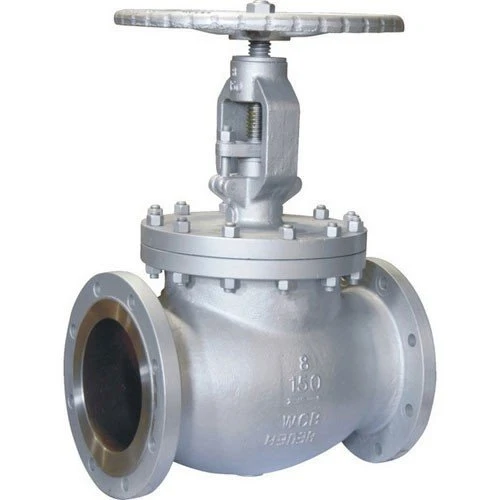

As a supplier of Y-Type Globe Valves, we are committed to providing high-quality valves that not only meet the performance requirements of our customers but also minimize noise levels. Our team of experts can assist you in selecting the right valve for your application and offer solutions to address any noise-related issues you may encounter.
If you are interested in learning more about our Y-Type Globe Valves or have any questions regarding noise reduction, please feel free to contact us. We look forward to discussing your needs and providing you with the best valve solutions.
References
- "Valve Handbook: Principles and Applications" by J. E. O. May
- "Flow Control Handbook" by Milton Beychok
- "Cavitation and Noise in Valves" by the Valve Manufacturers Association of America