


Hey there! As a supplier of non - return valves, I often get asked whether a non - return valve can be used in a fire protection system. Well, let's dive right into this topic and find out.
First off, what exactly is a non - return valve? A non - return valve, also known as a check valve, is a mechanical device that allows fluid (like water or gas) to flow in one direction only. It prevents backflow, which can be super important in many different systems.
Now, let's talk about fire protection systems. These systems are designed to control or extinguish fires, and they usually involve a network of pipes, pumps, and sprinklers. The main goal is to ensure that water can reach the fire quickly and efficiently when needed.
So, can a non - return valve be used in a fire protection system? The answer is a big yes! There are several reasons why non - return valves are a great fit for these systems.
One of the key reasons is preventing backflow. In a fire protection system, you want to make sure that water flows from the source (like a water tank or a municipal water supply) towards the sprinklers or other fire - fighting equipment. If there's no non - return valve, water could flow back in the wrong direction. This could be a huge problem, especially if there are multiple water sources or if the system has to be shut down for maintenance. For example, if you have a pump that's used to boost the water pressure in the system, a non - return valve can prevent water from flowing back through the pump when it's turned off.
Another reason is maintaining pressure. Fire protection systems rely on a certain level of pressure to ensure that water can reach all the areas that need to be protected. Non - return valves help in maintaining this pressure by preventing the loss of water due to backflow. If water starts flowing back, the pressure in the system can drop, and the sprinklers might not work effectively.
There are different types of non - return valves that can be used in fire protection systems. One popular type is the Pressure Seat Swing Check Valve. This valve has a disc that swings open when the fluid is flowing in the correct direction and closes when there's backflow. It's a reliable option because it can handle high - pressure applications, which are common in fire protection systems.
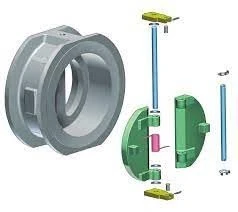

The Single Disc Swing Check Valve is also a great choice. It's similar to the pressure seat swing check valve, but it has a single disc. It's simple in design and easy to install and maintain. This type of valve is often used in smaller fire protection systems or in areas where space is limited.
Then there's the Wafer Check Valve. This valve is lightweight and compact, making it suitable for use in systems where there are space constraints. It can be easily installed between two flanges in the pipeline, and it provides a tight seal to prevent backflow.
When choosing a non - return valve for a fire protection system, there are a few things to consider. First, you need to think about the flow rate. The valve should be able to handle the amount of water that the system requires. If the valve is too small, it can restrict the flow and reduce the effectiveness of the fire protection system. On the other hand, if it's too large, it can be more expensive and might not work as efficiently.
You also need to consider the pressure rating. Fire protection systems often operate at high pressures, so the non - return valve should be able to withstand these pressures without leaking or failing. The material of the valve is another important factor. Valves made from materials like stainless steel or cast iron are commonly used because they're durable and resistant to corrosion.
In addition to these technical considerations, it's also important to make sure that the non - return valve meets the relevant standards and regulations. Fire protection systems are subject to strict safety standards, and using a valve that doesn't meet these standards can put lives and property at risk.
Now, let's talk about installation and maintenance. Installing a non - return valve in a fire protection system should be done by a qualified professional. They need to make sure that the valve is installed in the correct orientation so that it allows fluid to flow in the right direction. They also need to ensure that the valve is properly connected to the pipeline and that there are no leaks.
Maintenance is also crucial. Regular inspections should be carried out to check for any signs of wear and tear, such as a damaged disc or a leaking seal. If any problems are found, the valve should be repaired or replaced as soon as possible.
In conclusion, non - return valves are an essential component of fire protection systems. They play a vital role in preventing backflow, maintaining pressure, and ensuring the overall effectiveness of the system. Whether you're setting up a new fire protection system or upgrading an existing one, choosing the right non - return valve is crucial.
If you're in the market for non - return valves for your fire protection system, I'd love to have a chat with you. We have a wide range of high - quality non - return valves that are suitable for different types of fire protection systems. Contact us to discuss your requirements and let's find the best solution for you.
References
- "Handbook of Valves" by Valve Manufacturers Association
- "Fire Protection Handbook" by National Fire Protection Association