


As a supplier of Jacket Plug Valves, I understand the critical importance of valve reliability in various industrial applications. Jacket Plug Valves are widely used in industries such as chemical processing, oil and gas, and power generation, where a reliable valve can mean the difference between smooth operations and costly downtime. In this blog, I will share some practical strategies on how to improve the reliability of a Jacket Plug Valve.
Understanding the Basics of Jacket Plug Valves
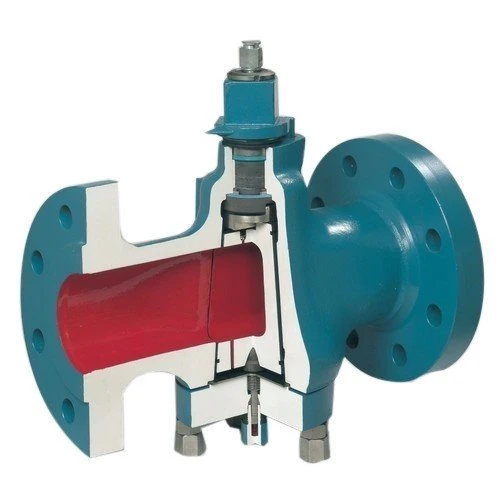
Before delving into the methods of improving reliability, it's essential to have a clear understanding of what a Jacket Plug Valve is. A Jacket Plug Valve is a type of quarter - turn valve that uses a tapered or cylindrical plug to control the flow of fluid. The jacket around the valve body is designed to maintain the temperature of the fluid passing through the valve, which is crucial for handling viscous or heat - sensitive materials.
Material Selection
The choice of materials for a Jacket Plug Valve significantly impacts its reliability. The valve body, plug, and seals should be made from materials that can withstand the harsh conditions of the application environment.
- Valve Body and Plug: For corrosive environments, materials such as stainless steel, alloy steel, or exotic metals like Hastelloy can be used. These materials offer excellent resistance to corrosion and erosion, ensuring a longer service life for the valve. In high - temperature applications, materials with good heat resistance, such as carbon steel or ceramic - lined materials, are preferred.
- Seals: The seals in a Jacket Plug Valve play a vital role in preventing leakage. Fluoropolymer - based seals, such as PTFE (Polytetrafluoroethylene), are commonly used due to their excellent chemical resistance, low friction, and wide temperature range compatibility. However, for applications where extreme temperatures or aggressive chemicals are involved, specialty elastomers or composite seals may be required.
Proper Installation
Proper installation is a key factor in ensuring the reliability of a Jacket Plug Valve.
- Alignment: The valve should be installed in a way that it is properly aligned with the pipeline. Misalignment can cause excessive stress on the valve body and plug, leading to premature wear and leakage. During installation, use alignment tools to ensure that the valve is in line with the pipeline and that the flanges are properly bolted.
- Support: Adequate support should be provided for the valve and the pipeline to prevent vibration and movement. Vibration can cause the plug to shift or the seals to loosen, resulting in leakage. Install pipe supports close to the valve to minimize vibration and ensure a stable installation.
- Temperature Control: When installing a Jacket Plug Valve, it is crucial to ensure that the jacket is properly connected to the heating or cooling system. The temperature of the jacket should be maintained within the specified range to prevent the fluid from solidifying or overheating, which can damage the valve.
Regular Maintenance
Regular maintenance is essential for the long - term reliability of a Jacket Plug Valve.
- Inspection: Conduct regular inspections of the valve to check for signs of wear, corrosion, or damage. Inspect the plug, seals, and valve body for any cracks, scratches, or deformation. Check the integrity of the jacket and the heating or cooling system to ensure proper temperature control.
- Lubrication: If the valve is a Lubricated Plug Valve, proper lubrication is necessary to reduce friction between the plug and the valve body. Use a lubricant that is compatible with the fluid and the valve materials. Follow the manufacturer's recommendations for the type and frequency of lubrication.
- Seal Replacement: Over time, the seals in a Jacket Plug Valve may wear out or become damaged. Replace the seals at regular intervals or as soon as signs of leakage are detected. When replacing the seals, ensure that they are properly installed and that the valve is reassembled correctly.
Operational Considerations
The way a Jacket Plug Valve is operated can also affect its reliability.
- Proper Actuation: Use the correct type of actuator for the valve and ensure that it is properly sized. Over - or under - sizing the actuator can cause the valve to operate incorrectly, leading to premature wear and damage. Follow the manufacturer's guidelines for actuator selection and installation.
- Avoiding Water Hammer: Water hammer is a phenomenon that occurs when the flow of fluid in a pipeline is suddenly stopped or changed. It can cause high - pressure spikes that can damage the valve. To avoid water hammer, use gradual opening and closing procedures for the valve. Install surge suppressors or dampeners in the pipeline if necessary.
- Monitoring and Control: Implement a monitoring system to track the performance of the Jacket Plug Valve. Monitor parameters such as temperature, pressure, and flow rate to detect any abnormal behavior. Use control systems to adjust the valve position and temperature as needed to ensure optimal operation.
Comparison with Other Plug Valve Types
It's also beneficial to understand how Jacket Plug Valves compare with other types of plug valves, such as Sleeve Plug Valve and Lubricated Plug Valve.
- Sleeve Plug Valve: Sleeve Plug Valves use an elastomeric sleeve to provide a seal between the plug and the valve body. They are known for their tight shut - off and low - torque operation. However, they may not be suitable for high - temperature or abrasive applications. In contrast, Jacket Plug Valves can handle a wider range of temperatures and are more resistant to abrasion due to their robust construction.
- Lubricated Plug Valve: Lubricated Plug Valves rely on a lubricant film to reduce friction and provide a seal. They are suitable for applications where a tight seal is required and where the fluid is not too viscous. However, the lubricant needs to be replenished regularly, and there is a risk of lubricant contamination. Jacket Plug Valves do not rely on lubrication for sealing and are more suitable for applications where the fluid needs to be maintained at a specific temperature.
Conclusion
Improving the reliability of a Jacket Plug Valve requires a comprehensive approach that includes proper material selection, installation, maintenance, and operational considerations. By following the strategies outlined in this blog, you can ensure that your Jacket Plug Valve operates reliably and efficiently, minimizing downtime and reducing maintenance costs.

If you are in the market for high - quality Jacket Plug Valves or need further advice on valve reliability, I encourage you to contact me for a procurement discussion. I am committed to providing you with the best products and solutions to meet your industrial needs.
References
- Valve Handbook, 4th Edition, by Robert W. Ross
- Industrial Valve Technology, by John R. Arnold
- ASME Standards for Valves and Fittings