Zhejiang Sunawei Valve Co., Ltd
+86-577-67330098
Contact Us
  • Tel: +86-577-67330098
  • Fax: +86-577-67998131
  • Mob: +8618757788866
  • Email: snv@sunawevalve.com
  • Add: Anfeng Industrial, Oubei Town, Wenzhou City, Zhejiang, China
Sleeve Plug Valve
video

Sleeve Plug Valve

Material Structure: ASTM A216 WCB for high temp. service ASTM A352 for low-temperature service and ASTM A351 CF8, CF8M for cast stainless steel valves
Working Pressure: Class150LB, Class300LB, Class600LB;
Nominal Diameter: NPS1/2~24”;DN15~DN600mm
WorkingTemperatur: -29to120ºC
Shipping & Delivery: 30-45 days lead time; deliver by ship from Ningbo port or Shanghai port

Send Inquiry
  • Description
    What is Sleeve Plug Valve


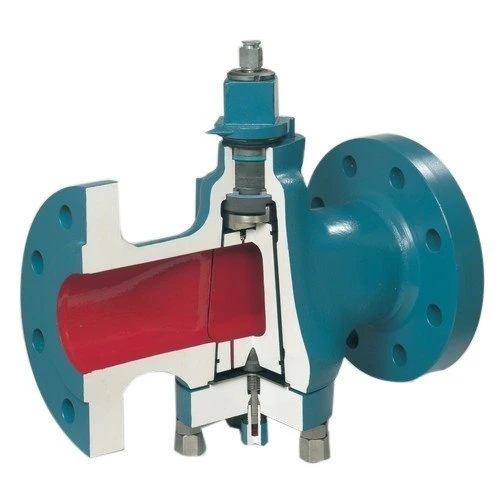
    Sleeve Plug Valve is a valve used to control the flow of fluid in a pipeline system. Its working principle is to open and close the flow channel by rotating the valve core (plug) to adjust the flow of the fluid. Its core structure includes a plug with a sealing sleeve, which is usually made of metal or synthetic materials.


    Advantages

    1. Adapt to a wide range of temperatures
    The sleeve plug valve has an operating temperature range of -29°C to 120°C, and can adapt to a variety of working environments from low temperature to medium and high temperature. This allows it to work stably in industries such as chemical, petroleum, and natural gas, especially in situations where temperature fluctuations are large. Whether it is the control needs of frozen liquids or high-temperature fluids, the sleeve plug valve can effectively respond to meet the flow regulation and closing needs under various working conditions.


    2. Strong pressure tolerance
    The sleeve plug valve is designed to support pressure levels of Class 150LB, Class 300LB, and Class 600LB, which means it can work stably in medium-pressure to high-pressure pipeline systems. The valve's pressure resistance makes it suitable for a variety of industrial applications, whether it is low-pressure gas transmission or high-pressure liquid pipelines, it can ensure the safe and stable operation of the system and avoid valve damage or leakage due to pressure fluctuations.


    3. Various specifications and installation options
    The nominal diameter of this sleeve plug valve ranges from NPS 1/2" to 24" (DN15~DN600mm), which can meet the needs of pipeline systems of various sizes. This makes it widely used in industrial pipelines from small to large, and adapts to control systems with different flow and pressure requirements.


    Customized service

    1. Customizable size
    The sleeve plug valve provides a variety of nominal diameter options, ranging from NPS 1/2" to 24" (DN15~DN600mm). Customers can customize the appropriate valve size according to the size requirements of the pipeline system.


    2. Customized pressure level
    The sleeve plug valve supports customization of multiple pressure levels, the common ones are Class 150LB, Class 300LB, Class 600LB, etc. For high-pressure pipeline systems, the structure and materials of the valve can be strengthened to improve its pressure resistance and ensure stable sealing performance and operational reliability under extreme pressure.


    3. Customized sealing materials
    PTFE (polytetrafluoroethylene): suitable for corrosive liquids or gases such as strong acids and alkalis, with excellent corrosion resistance.

    Metal seal: suitable for high temperature and high pressure environments, usually stainless steel or alloys and other metal materials are selected to ensure the sealing and reliability of the valve under extreme working conditions.

    Rubber seal: suitable for conventional working conditions of medium and low temperatures, with good sealing, suitable for the control needs of general fluids.


    4. Customized connection method
    Flange connection: suitable for most industrial piping systems, especially for high pressure and high temperature conditions, and can provide reliable sealing effect.

    Threaded connection: suitable for smaller piping systems, easy to install, usually used for low pressure applications.

    Welded connection: suitable for piping systems that require higher strength and safer connections, and the welding interface ensures higher sealing and pressure resistance.

    Quick-change connection: used in occasions that require frequent disassembly or quick maintenance, which helps to shorten downtime and improve production efficiency.

    ANSI Plug Valve

    ANSI Plug Valve

    Material Structure: ASTM A216 WCB for high temp. service ASTM A352 for low-temperature service and ASTM A351 CF8, CF8M for cast stainless steel valves
    Working Pressure: Class150LB, Class1500LB;
    Nominal Diameter: NPS1/2~10";DN15~DN600mm
    WorkingTemperatur: -29to80ºC
    Shipping & Delivery: 30-45 days lead time; deliver by ship from Ningbo port or Shanghai port

    Lubricated Plug Valve

    Lubricated Plug Valve

    Material Structure: ASTM A216 WCB for high temp. service ASTM A352 for low-temperature service and ASTM A351 CF8, CF8M for cast stainless steel valves
    Working Pressure: Class150LB, Class300LB, Class600LB, Class900LB, Class1500LB;
    Nominal Diameter: NPS1/2~24";DN15~DN600mm
    WorkingTemperatur: -29to80ºC
    Shipping & Delivery: 30-45 days lead time; deliver by ship from Ningbo port or Shanghai port

    Sleeve Plug Valve

    Sleeve Plug Valve

    Material Structure: ASTM A216 WCB for high temp. service ASTM A352 for low-temperature service and ASTM A351 CF8, CF8M for cast stainless steel valves
    Working Pressure: Class150LB, Class300LB, Class600LB;
    Nominal Diameter: NPS1/2~24";DN15~DN600mm
    WorkingTemperatur: -29to120ºC
    Shipping & Delivery: 30-45 days lead time; deliver by ship from Ningbo port or Shanghai port

    Jacket Plug Valve

    Jacket Plug Valve

    Material Structure: ASTM A216 WCB for high temp. service ASTM A352 for low-temperature service and ASTM A351 CF8, CF8M for cast stainless steel valves
    Working Pressure: Class150LB, Class300LB, Class600LB;
    Nominal Diameter: NPS1/2~10";DN15~DN600mm
    WorkingTemperatur: -29to120ºC
    Shipping & Delivery: 30-45 days lead time; deliver by ship from Ningbo port or Shanghai port


    Frequently Asked Questions


    Q: What is sleeve plug valve?

    A: Sleeve Plug Valve is a rotary valve in the shape of a closing piece or a plunger. By rotating 90 degrees, the channel opening on the valve plug is connected or separated with the channel opening on the valve body, thereby realizing the opening or closing of the fluid.

    Q: What is the basic structure of sleeve plug valve?

    A: The sleeve plug valve is mainly composed of valve body, valve plug (plug), sleeve (or sealing sleeve), valve stem and actuator (if necessary). The valve plug rotates in the valve body, and the sleeve fits tightly between the valve plug and the valve body to form an effective seal.

    Q: How does the sleeve plug valve work?

    A: When the valve plug rotates to a specific position, the channel opening on it is aligned with the channel opening on the valve body, allowing the medium to pass through, and the valve is in an open state. When the valve plug rotates 90 degrees or more, the channel opening is blocked, the medium cannot flow, and the valve is in a closed state. As a sealing element, the sleeve always maintains close contact with the valve plug and the valve body during the rotation of the valve plug to ensure the sealing performance of the valve.

    Q: What materials does the sleeve plug valve mainly consist of?

    A: Body: The valve body is the main pressure-bearing part of the valve. Common materials include carbon steel (such as WCB), stainless steel (such as CF8/F304, CF8M/F316, etc.), alloy steel, etc. These materials have good mechanical properties and corrosion resistance, and can meet the use requirements under different working conditions.
    Sleeve: The sleeve is the key sealing component of the valve. Its material is usually matched with the valve body or selected according to the characteristics of the medium. Stainless steel (such as SS304, SS316, etc.) is a common sleeve material because they have good corrosion resistance and sealing performance.
    Plug: The valve plug is the opening and closing part of the valve, which controls the on and off of the fluid by rotating the valve plug. The material of the valve plug must also be compatible with the medium and have good wear resistance. Stainless steel, alloy steel, etc. are common valve plug materials.
    Seal: In order to enhance the sealing performance of the valve, seals are usually set between the sleeve and the valve body, and between the valve plug and the sleeve. Common sealing materials include polytetrafluoroethylene (PTFE), graphite, etc. These materials have good sealing and corrosion resistance.

    Q: What are the advantages of sleeve plug valve?

    A: Excellent sealing performance: The sleeve plug valve uses a sleeve as a sealing component to form a tight sealing surface between the valve body and the valve plug, effectively preventing medium leakage. This sealing method performs well in high pressure, high temperature or corrosive media, ensuring the stability and safety of the system.
    Durability and reliability: The material of the sleeve plug valve is usually made of high-quality materials such as corrosion-resistant and wear-resistant stainless steel and alloy steel, which can maintain long-term stability and reliability in harsh working environments. At the same time, the movable design of the sleeve makes the valve wear evenly during the opening and closing process, extending the service life of the valve.
    Low fluid resistance: The flow channel design of the sleeve plug valve is reasonable, and the fluid has less resistance when passing through the valve, which helps to reduce the energy consumption and noise of the system. This is especially important for fluid control systems that require high efficiency and low energy consumption.
    Easy operation: The opening and closing operation of the sleeve plug valve is simple and quick, and the fluid can be turned on and off and adjusted by simply rotating the valve stem. This operation method not only improves work efficiency, but also reduces the labor intensity of operators.
    Easy maintenance and overhaul: The structure of the sleeve plug valve is relatively simple, with fewer parts, making maintenance and overhaul easier. When seal replacement or repair is required, it can be quickly removed and reinstalled, reducing downtime and repair costs.

    Q: How to choose a suitable sleeve plug valve?

    A: Medium characteristics: Understand the properties of the medium, including temperature, pressure, corrosiveness, viscosity, toxicity, etc. This will directly affect the selection of valve materials and the requirements for sealing performance.
    Flow and pressure requirements: Determine the required flow range and pressure level in order to select a valve with an appropriate diameter and rated pressure.
    Working environment: Consider the environmental conditions where the valve will be installed, such as temperature, humidity, vibration, explosive gas, etc., to ensure that the selected valve can work properly under these conditions.
    Valve body material: Select the appropriate valve body material according to the corrosiveness and temperature and pressure requirements of the medium. Common materials include carbon steel, stainless steel (such as 304, 316, etc.), alloy steel, etc.
    Sleeve and valve plug materials: Sleeves and valve plugs are key sealing components of valves, and their materials should be compatible with the medium and have good wear resistance and sealing performance.
    Valve structure: Select a suitable valve structure according to process requirements, such as straight-through type, three-way type, etc. At the same time, consider whether insulation measures or special lubrication systems are required.
    Operation mode: Select a suitable operation mode according to the environment and safety requirements of the workplace, such as manual, electric, pneumatic, etc. At the same time, consider the convenience and response speed of operation.
    Maintainability: Choose valves that are easy to maintain and overhaul, such as valves with easy-to-replace seals and fewer parts. This will help reduce maintenance costs and downtime.

    Q: What should be paid attention to during the use of the sleeve plug valve?

    A: Check the valve: Before installation, carefully check whether the valve is damaged, rusted or the sealing surface is intact. Make sure all parts are complete and not missing.
    Cleaning: Clean the valve and its connecting pipes, remove impurities such as iron filings and oil stains, and ensure that the inside of the valve and the connection are clean and free of dirt.
    Lubrication: According to the instructions for use of the valve, lubricate the parts that need lubrication to reduce friction and wear.
    Installation position: Ensure that the valve is installed in a position that is easy to operate and maintain, while considering the flow direction of the medium and the switching direction of the valve.
    Tighten the connection: During the installation process, ensure that the connection of the valve is tightened reliably to prevent leakage. Use appropriate tools and torque for tightening, avoid over-tightening or over-loosening.
    Avoid damage: During the installation process, avoid using sharp tools or hard objects to directly hit the valve to avoid damaging the valve surface or sealing surface.

    Q: What factors affect the durability of sleeve plug valve?

    A: Material selection: The valve body is the main load-bearing component of the valve, and the choice of its material directly affects the overall durability of the valve. High-quality materials such as stainless steel and alloy steel have high strength and corrosion resistance, and can maintain long-term stability in harsh working environments. The selection of sealing materials is also crucial. High-quality sealing materials such as polytetrafluoroethylene (PTFE) and graphite have excellent corrosion resistance, wear resistance and sealing performance, which can ensure that the valve maintains a good sealing effect during long-term use.
    Structural design: Reasonable sealing structure design can reduce the erosion and corrosion of the sealing surface by the medium and extend the service life of the seal. For example, the Sleeve Plug Valve, which uses a sleeve as a sealing component, has a small contact area between the sealing surface and the medium and uniform force, which helps to reduce the risk of wear and leakage. The flow channel design should minimize the resistance and vortex phenomenon of the fluid to reduce energy consumption and noise and reduce the impact and wear of the fluid on the valve.
    Manufacturing process: The quality of the manufacturing process directly affects the processing accuracy and surface quality of the valve. High-quality manufacturing processes can ensure that the various components of the valve are tightly matched, the dimensions are accurate, and the surface is smooth and defect-free, thereby improving the overall performance and durability of the valve.

    Q: Will sleeve plug valve rust?

    A: High-quality valve body materials, such as stainless steel and alloy steel, have high corrosion resistance and rust resistance, and can maintain stability for a long time in humid or corrosive environments. Sealing materials such as polytetrafluoroethylene (PTFE) also have good corrosion resistance and rust resistance, which can ensure that the valve will not affect the sealing performance due to rust of the seal during long-term use.
    In addition, the use environment of the valve has an important influence on whether it will rust. In humid, dusty or highly corrosive environments, valves are more susceptible to rust. If the valve is often exposed to water, chemical solutions or other corrosive media, and these media are not properly handled and discharged, it may also cause the valve to rust.

    Q: Is sleeve plug valve easy to use?

    A: Sleeve Plug Valve usually opens and closes the valve by rotating the valve stem. This operation is intuitive and simple, and does not require complex operating skills or tools.
    In addition, the structure of Sleeve Plug Valve is relatively simple, with fewer parts and easy to disassemble and install. This allows for quick replacement of damaged parts or necessary adjustments during maintenance and overhaul.


    Why choose us?

    • We are dedicated to providing excellent customer service and support throughout the entire buying process.
    • You may be assured that we shall use our best endeavour to execute every order to our customers' satisfaction.
    • Our company is a Chinese factory that specializes in producing high-quality PLUG Valve products and providing professional services.
    • We are the leading company in the Sleeve Plug Valve industry in terms of size, product variety, production and sales volume.
    • Our PLUG Valve products are extensively tested to ensure they meet the highest standards of quality and reliability.
    • We will continue to strive for more quality products and services to gather the value of trust, so that each customer to achieve "accelerate business growth, strengthen the core competitiveness".
    • Our PLUG Valve products are designed to be user-friendly and easy to maintain.
    • In recent years, with the corporate philosophy of "fairness, rigor, unity and innovation", our company has developed into a Sleeve Plug Valve production brand enterprise with the goal of creating user value.
    • Our PLUG Valve products are made from top-quality materials and are designed to withstand the toughest conditions.
    • We adhere to science and technology to strengthen enterprises, pursue technological progress, lead development with leading technology, serve customers, create benefits, and win the market.


    Hot Tags: sleeve plug valve, China sleeve plug valve manufacturers, suppliers, factory

(0/10)

clearall