


Hey there! As a supplier of Globe Valves, I've seen firsthand the headaches that cavitation can cause in these essential pieces of equipment. Cavitation is no joke—it can lead to damage, reduce efficiency, and ultimately cost you a fortune in repairs and replacements. But don't worry, I'm here to share some tips on how to prevent cavitation in a globe valve.
What is Cavitation in a Globe Valve?
Before we dive into prevention methods, let's quickly understand what cavitation is. In simple terms, cavitation occurs when the pressure of a liquid flowing through a valve drops below its vapor pressure. This causes vapor bubbles to form in the liquid. When these bubbles move into an area of higher pressure, they collapse suddenly. This collapse creates shockwaves that can erode the valve's internal components, like the seat and the disc, over time.
Factors Contributing to Cavitation in Globe Valves
A few things can contribute to cavitation in globe valves. One major factor is the pressure drop across the valve. If the pressure drop is too large, it's more likely that the liquid's pressure will fall below its vapor pressure, leading to bubble formation. The flow rate also plays a role. High flow rates can cause a rapid pressure drop, increasing the risk of cavitation. And the type of fluid being handled matters too. Some fluids have lower vapor pressures, making them more prone to cavitation.
How to Prevent Cavitation in a Globe Valve
1. Proper Valve Sizing
One of the most important steps in preventing cavitation is choosing the right size of the globe valve for your application. An undersized valve can cause a high-pressure drop, while an oversized valve may not provide the necessary control over the flow. When sizing a valve, consider the maximum and minimum flow rates, the pressure drop across the valve, and the characteristics of the fluid. You can use sizing charts or consult with a valve expert to ensure you get the right size. For example, if you're dealing with a high-flow application, a larger valve might be more suitable to reduce the pressure drop.
2. Use of Anti-Cavitation Trims
Anti-cavitation trims are special internal components designed to reduce the risk of cavitation. These trims work by controlling the flow of the fluid and reducing the pressure drop in a more gradual manner. They can be installed in existing globe valves or incorporated into new ones. There are different types of anti-cavitation trims available, such as multi-stage trims and orifice plates. Multi-stage trims divide the pressure drop into several smaller steps, preventing the pressure from dropping too rapidly and reducing the likelihood of bubble formation. Orifice plates can also help by creating a more uniform flow and reducing turbulence. You can find some great options for ANSI Globe Valve with anti-cavitation trims on our website.
3. Control the Flow Rate
Managing the flow rate is crucial in preventing cavitation. Avoid operating the valve at extremely high flow rates, as this can cause a significant pressure drop. You can use flow control devices, such as flow meters and regulators, to monitor and adjust the flow rate. For instance, if you notice that the flow rate is too high, you can reduce it by partially closing the valve or adjusting the settings on the flow control device. This will help maintain a more stable pressure and reduce the risk of cavitation.
4. Select the Right Fluid
As mentioned earlier, the type of fluid being handled can affect the risk of cavitation. If possible, choose a fluid with a higher vapor pressure. This makes it less likely for the pressure to drop below the vapor pressure and cause bubble formation. However, in many cases, you may not have the option to change the fluid. In such situations, you can try to modify the fluid's properties. For example, increasing the temperature of the fluid can raise its vapor pressure, reducing the risk of cavitation.

5. Regular Maintenance
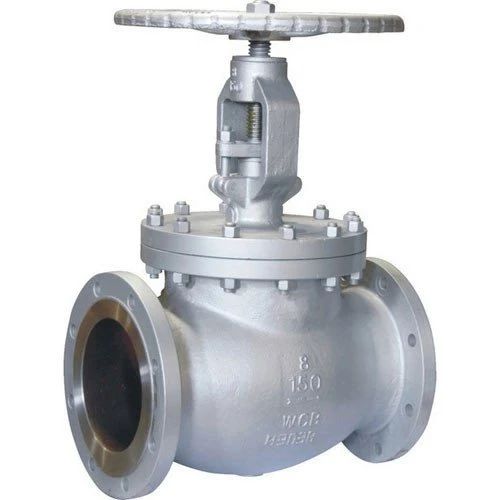
Regular maintenance of your globe valve is essential to prevent cavitation. Inspect the valve regularly for signs of wear and tear, such as erosion on the seat and disc. Replace any damaged components promptly to ensure the valve operates efficiently. Clean the valve to remove any debris or deposits that could affect the flow and cause a pressure drop. Lubricate the moving parts to reduce friction and ensure smooth operation. By keeping your valve in good condition, you can minimize the risk of cavitation and extend its lifespan.
6. Pressure Management
Monitoring and managing the pressure across the valve is key. Use pressure gauges to keep an eye on the inlet and outlet pressures. If you notice a significant pressure drop, investigate the cause and take appropriate action. You may need to adjust the valve position, check for blockages in the pipeline, or modify the system to reduce the pressure drop. Maintaining a stable pressure can help prevent the formation of vapor bubbles and reduce the risk of cavitation.
Conclusion
Preventing cavitation in a globe valve is all about careful planning, proper selection, and regular maintenance. By following these tips, you can significantly reduce the risk of cavitation and ensure the long-term performance of your valve. Whether you're looking for a Globe Stop Valve or a Flange Golbe Valve, we've got you covered.
If you're interested in purchasing high-quality globe valves or need more advice on preventing cavitation, don't hesitate to get in touch. We're here to help you find the best solutions for your specific needs. Let's work together to keep your systems running smoothly and efficiently.
References
- "Valve Handbook" by Milton Beychok
- "Fluid Mechanics" by Frank M. White
- Industry standards and guidelines related to valve selection and operation