


Hey there! As a supplier of Flange Globe Valves, I often get asked about the inspection items for these valves. So, I thought I'd write this blog to share some insights with you.
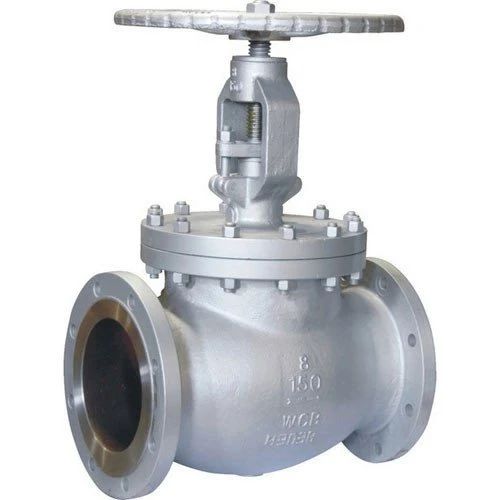
First off, let's talk about what a Flange Globe Valve is. It's a type of valve that's commonly used in various industries to control the flow of fluids. The flange connection makes it easy to install and remove, and it can provide a reliable shut - off.
Visual Inspection
The first step in inspecting a Flange Globe Valve is a visual check. You gotta look at the valve from top to bottom. Check the outer surface for any signs of damage like cracks, dents, or scratches. A cracked valve body can lead to leaks, which is a big no - no in any system. Also, look at the flange faces. They should be smooth and free from any nicks or corrosion. If the flange faces are damaged, it won't make a proper seal when it's installed, and that can cause all sorts of problems.
The valve stem is another important part to visually inspect. It should be straight and not bent. A bent stem can prevent the valve from opening and closing properly. Check the handwheel, too. It should be firmly attached to the stem and not loose. If the handwheel is loose, it'll be hard to operate the valve effectively.
Dimensional Inspection
Next up is dimensional inspection. You need to make sure that the valve meets the required dimensions. Measure the length, width, and height of the valve body. These dimensions are crucial because they determine whether the valve will fit into the existing pipeline system. The flange dimensions are also very important. Check the bolt hole pattern, the diameter of the bolts, and the thickness of the flanges. If the flange dimensions are off, it won't be possible to connect the valve to the pipeline correctly.
The valve seat and disc are also key components for dimensional inspection. The seat should have the right diameter and depth to ensure a good seal with the disc. The disc should fit snugly into the seat. Any deviation in the dimensions of these parts can lead to leakage when the valve is closed.
Pressure Testing
Pressure testing is a critical inspection item for Flange Globe Valves. You need to test the valve to make sure it can withstand the pressure in the system. There are two main types of pressure tests: hydrostatic test and pneumatic test.

In a hydrostatic test, the valve is filled with water and then pressurized to a specified level. The pressure is usually higher than the normal operating pressure of the system. You then hold the pressure for a certain period, usually around 10 - 15 minutes, and check for any leaks. If there are any leaks, it means there's a problem with the valve, and it needs to be fixed or replaced.
A pneumatic test, on the other hand, uses air or gas instead of water. It's often used when the valve can't be filled with water, for example, in some food or pharmaceutical applications. The procedure is similar to the hydrostatic test, but you need to be extra careful because gas leaks can be more dangerous than water leaks.
Flow Capacity Testing
Flow capacity testing is important to ensure that the valve can handle the required flow rate in the system. You measure the flow rate of the fluid through the valve at different opening positions. This helps you understand how the valve performs under different operating conditions.
The valve should be able to provide a smooth and controllable flow. If the flow is too restricted or too turbulent, it can cause problems in the system. For example, it can lead to increased energy consumption or damage to other components in the pipeline.
Sealing Performance Inspection
Sealing performance is crucial for a Flange Globe Valve. You want to make sure that the valve can prevent any leakage when it's closed. There are different ways to test the sealing performance. One common method is to use a pressure - holding test. You close the valve, apply pressure on one side, and then check if there's any pressure drop on the other side over a period of time.
Another way is to use a bubble test. You apply a soapy solution to the sealing surfaces of the valve, and if there are any leaks, bubbles will form. This is a simple and effective way to detect small leaks.
Material Inspection
It's also important to inspect the materials used in the valve. The valve body, stem, disc, and other components should be made of high - quality materials that are suitable for the application. For example, in a corrosive environment, you need to use materials that are resistant to corrosion, like stainless steel.
Check the material certificates to make sure that the materials meet the required standards. You can also use non - destructive testing methods like ultrasonic testing or magnetic particle testing to check for any internal defects in the materials.
Comparison with Other Globe Valves
When it comes to globe valves, there are different types, like the Y-Type Globe Valve. The Y - Type Globe Valve has a different design compared to the Flange Globe Valve. It has a Y - shaped body, which can provide better flow characteristics in some applications.
Our Flange Globe Valve is known for its reliable flange connection and easy installation. And if you're looking for a valve with a special sealing feature, our Cast Steel Bellow Seal Globe Valve might be a good choice. The bellow seal can provide an extra layer of protection against leakage, especially in applications where there are strict environmental or safety requirements.
Why Choose Our Flange Globe Valves
We take pride in our Flange Globe Valves. We follow strict inspection procedures to ensure that every valve we supply meets the highest quality standards. Our valves are made of high - quality materials and are designed to last. Whether you need a valve for a small - scale project or a large industrial application, we've got you covered.
If you're in the market for Flange Globe Valves or have any questions about the inspection items or the valve itself, feel free to reach out. We're always here to help you make the right choice for your needs. Let's start a conversation about your valve requirements and see how we can work together.
References
- Valve Handbook, 4th Edition
- ASME Standards for Valve Inspection and Testing