


In the world of industrial valves, cryogenic ball valves are a specialized yet crucial component. As a ball valve supplier, I've had the privilege of working closely with these amazing pieces of equipment, and I'm stoked to share what I know about them with you.
What Exactly is a Cryogenic Ball Valve?
A cryogenic ball valve is a type of ball valve designed to operate in extremely low - temperature environments. You see, normal ball valves aren't cut out for the cold. When the mercury drops way below zero, typical materials can become brittle, and the seals may not work as they should. Cryogenic ball valves, on the other hand, are engineered to handle these tough conditions.
They are mainly used in applications where extremely cold fluids or gases are involved. Think industries like liquefied natural gas (LNG) plants, where natural gas is cooled to around -162°C (-260°F) to turn it into a liquid for easier storage and transportation. Other areas include air separation plants, where air is cooled to separate its components like oxygen, nitrogen, and argon, and the pharmaceutical industry for certain cold - storage and processing operations.
How Do They Work?
The basic principle of a cryogenic ball valve is similar to that of a regular ball valve. It has a spherical disc (the ball) with a hole in the middle. When the valve is open, the hole in the ball aligns with the flow path of the pipeline, allowing the fluid or gas to pass through. When you turn the valve handle (or actuator in automated systems) a quarter - turn (90 degrees), the ball rotates, and the solid part of the ball blocks the flow path, shutting off the flow.
But the real magic lies in the materials and design features that enable it to work at cryogenic temperatures. The body of the valve is usually made from materials like stainless steel, which can withstand the cold without becoming too brittle. The seals are also made from special polymers that remain flexible even in the cold, ensuring a tight shut - off.
Key Features of Cryogenic Ball Valves
Material Selection
As I mentioned earlier, the choice of materials is super important. Stainless steel is a popular option for the valve body because it has good strength and corrosion resistance at low temperatures. For the seats and seals, materials like PTFE (polytetrafluoroethylene) or other fluoropolymers are used. These materials have low friction, good sealing properties, and can maintain their flexibility in the cold.
Extended Bonnet Design
One of the unique design features of cryogenic ball valves is the extended bonnet. The bonnet is the part of the valve that houses the stem and provides a connection to the actuator or handle. In cryogenic valves, the bonnet is extended to keep the packing and stem seals away from the cold fluid. This helps prevent the packing from freezing, which could cause leakage and make it difficult to operate the valve.
Special Coatings
Sometimes, cryogenic ball valves are coated with special anti - corrosion and anti - icing substances. These coatings can protect the valve from the harsh environment and prevent ice from forming on the valve surface, which could interfere with its operation.
Our Product Range
As a ball valve supplier, we offer a wide variety of cryogenic ball valves to meet different customer needs. In addition to cryogenic valves, we also have other great ball valve products. Check out our Trunnion Ball Valve Series, which are designed for high - pressure applications. They've got a trunnion - mounted ball design that provides extra support and reduces the operating torque.
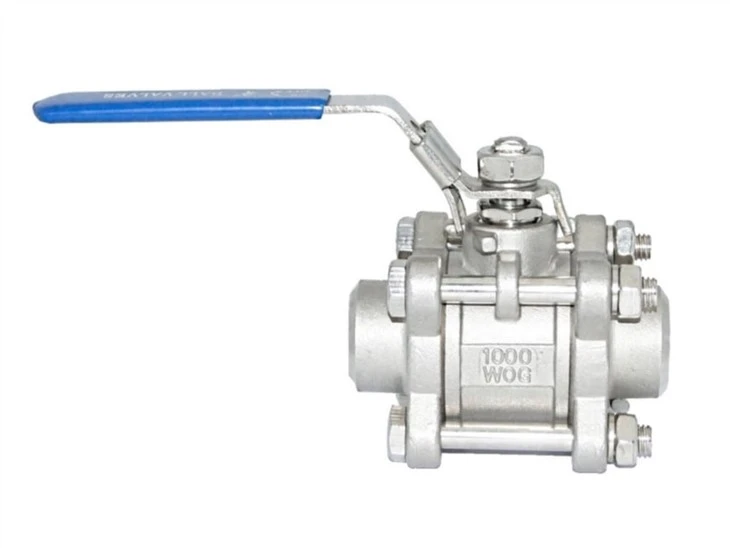

We also have the Soft Seal Floating Ball Valve. These valves use a soft seal, which can provide a tight shut - off even at low pressures. And if you're looking for a more flexible option, our 3 Pcs Ball Valve is a great choice. The three - piece design makes it easy to disassemble and repair, which can save you a lot of time and money in the long run.
Why Choose Our Ball Valves?
We take pride in the quality of our ball valves. All our products, including cryogenic ball valves, go through strict quality control processes. We use the latest manufacturing techniques and high - quality materials to ensure that our valves are reliable, durable, and perform well in various conditions.
Our team of experts is always ready to provide technical support and advice. Whether you're not sure which valve is right for your application or you need help with installation and maintenance, we're here to assist you every step of the way.
Contact Us for Your Ball Valve Needs
If you're in the market for cryogenic ball valves or any of our other ball valve products, don't hesitate to get in touch. We're eager to discuss your requirements and find the best solutions for your projects. Whether you're running a small - scale operation or a large industrial plant, we've got the valves to meet your needs.
References
- ASME B16.34 - Valves - Flanged, Threaded, and Welding End
- API 6D - Pipeline Valves—Specification for Pipeline Valves
- ISO 14313 - Petroleum and natural gas industries — Pipeline transportation systems — Pipeline valves