


Hey there! As a globe valve supplier, I often get asked about the energy consumption of electric globe valves. It's a crucial topic, especially in today's world where energy efficiency is on everyone's mind. So, let's dive right in and explore what the energy consumption of an electric globe valve really looks like.
First off, let's understand what an electric globe valve is. It's a type of valve that uses an electric actuator to control the flow of fluid through a pipeline. These valves are widely used in various industries, from oil and gas to water treatment, because they offer precise control and reliable performance.

Now, when it comes to energy consumption, several factors come into play. The most obvious one is the power rating of the electric actuator. This is usually measured in watts and can vary depending on the size and type of the valve. A small valve might have an actuator with a power rating of just a few watts, while a large industrial valve could require several hundred watts or more.
The frequency of operation also affects energy consumption. If a valve is constantly opening and closing, it will use more energy than one that only operates occasionally. This is because each time the actuator moves, it consumes a certain amount of power. So, if you have a valve that needs to be adjusted frequently, you might want to consider a more energy - efficient actuator.
Another factor is the pressure differential across the valve. A higher pressure differential means that the actuator has to work harder to open and close the valve, which in turn consumes more energy. For example, in a high - pressure steam system, the electric globe valve will need more power to overcome the pressure and control the flow compared to a low - pressure water system.
Let's talk about the different types of globe valves and how their energy consumption might vary. One popular type is the Cast Steel Bellow Seal Globe Valve. This valve uses a bellows seal to prevent leakage, which is great for applications where you need to keep the fluid contained. In terms of energy consumption, the design of the bellows seal doesn't necessarily add a significant amount of extra load to the actuator. However, the overall size and pressure requirements of the system where it's used will still impact how much energy it uses.
The Y - Type Globe Valve is another option. Its unique Y - shaped body allows for a more streamlined flow, which can sometimes result in less pressure drop across the valve. A lower pressure drop means that the actuator doesn't have to work as hard to control the flow, potentially leading to lower energy consumption. But again, it all depends on the specific operating conditions.
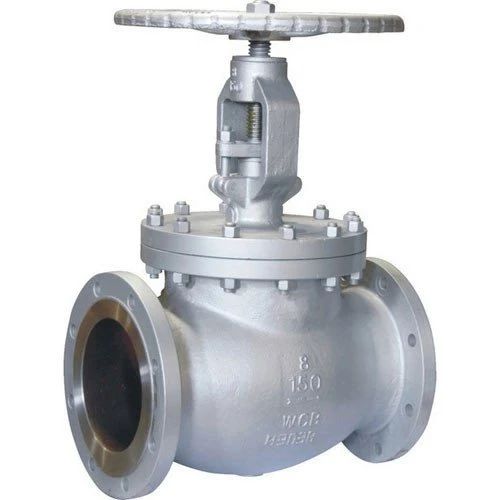
Then there's the Flange Golbe Valve. These valves are commonly used in larger pipelines and are often designed to handle high - flow rates and pressures. The larger size and higher pressure capabilities usually mean that the electric actuator will have a higher power rating, resulting in greater energy consumption. But they're built to handle tough jobs, so the trade - off can be worth it in the right applications.
To reduce the energy consumption of electric globe valves, there are a few things you can do. First, choose an actuator with a power rating that's appropriate for the job. Don't go for an oversized actuator just to be on the safe side, as it will use more energy than necessary. Second, optimize the valve's operation. If possible, reduce the frequency of opening and closing by using more intelligent control systems. For example, you could set up a system that only adjusts the valve when there's a significant change in the flow or pressure.
Regular maintenance is also key. A well - maintained valve will operate more efficiently, which means it will use less energy. Make sure to check the actuator for any signs of wear and tear, and lubricate the moving parts as needed. Also, keep an eye on the seals to prevent any leakage, as this can cause the actuator to work harder than it should.
In addition to these practical steps, advancements in technology are also helping to reduce the energy consumption of electric globe valves. Newer actuators are being designed to be more energy - efficient, with features like variable - speed drives that can adjust the power consumption based on the actual load.
So, if you're in the market for electric globe valves and are concerned about energy consumption, don't worry. There are plenty of options available that can meet your needs while keeping your energy costs in check. Whether you need a Cast Steel Bellow Seal Globe Valve, a Y - Type Globe Valve, or a Flange Golbe Valve, we've got you covered.
If you're interested in learning more about our products or have any questions regarding energy consumption and valve selection, feel free to reach out. We're here to help you make the best choice for your specific application. Whether it's for a small - scale project or a large industrial installation, we can provide you with high - quality globe valves that offer excellent performance and energy efficiency.
References
- Valves Handbook, Various Industry Publications
- Manufacturer's Specifications for Electric Actuators
- Technical Papers on Valve Energy Efficiency