


As a reliable supplier of Sleeve Plug Valves, I've encountered numerous inquiries regarding the installation orientation requirements for these essential components. In this blog post, I'll delve into the intricacies of Sleeve Plug Valve installation orientation, providing you with a comprehensive understanding of the factors at play and the best practices to follow.
Understanding Sleeve Plug Valves
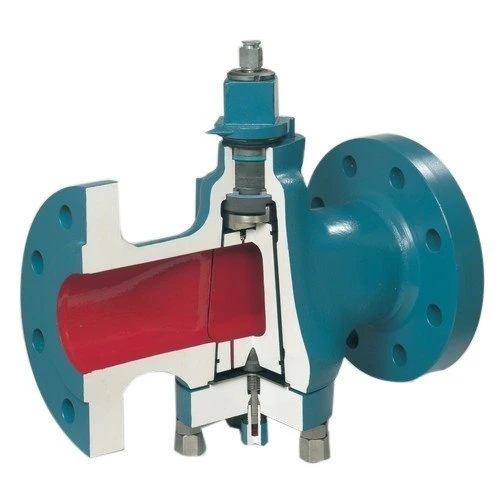
Before we dive into the installation orientation requirements, let's briefly review what Sleeve Plug Valves are and how they function. A Sleeve Plug Valve is a type of quarter - turn valve that uses an elastomeric sleeve to provide a tight seal between the plug and the valve body. The sleeve is deformed around the plug when the valve is closed, preventing fluid leakage. This design offers excellent sealing performance, low torque operation, and resistance to wear and corrosion, making it suitable for a wide range of applications, including chemical processing, water treatment, and oil and gas industries.

Factors Influencing Installation Orientation
Several factors need to be considered when determining the appropriate installation orientation of a Sleeve Plug Valve. These factors can significantly impact the valve's performance, service life, and overall system efficiency.
Flow Direction
The flow direction through the valve is one of the most critical factors. Sleeve Plug Valves are typically designed to have a specific flow direction marked on the valve body. Installing the valve in the correct flow direction ensures optimal sealing performance and prevents premature wear of the sleeve. When the flow is in the recommended direction, the fluid pressure helps to keep the sleeve in contact with the plug, enhancing the seal. In contrast, installing the valve against the recommended flow direction can cause the sleeve to be lifted off the plug, leading to leakage and reduced valve life.
Gravity and Drainage
Gravity plays an important role in the installation of Sleeve Plug Valves, especially in applications where the valve may be used to isolate fluids or drain pipelines. If the valve is installed in a position where it can trap fluid or debris, it can lead to corrosion, blockages, and impaired valve operation. To prevent these issues, the valve should be installed in a way that allows for proper drainage. For example, in a horizontal pipeline, the valve should be installed with the sleeve in a position where any accumulated fluid can drain out easily.
Accessibility for Maintenance
Another important consideration is the accessibility of the valve for maintenance and inspection. Sleeve Plug Valves require periodic maintenance, such as sleeve replacement and lubrication. Installing the valve in an accessible location allows maintenance personnel to perform these tasks safely and efficiently. Additionally, the orientation of the valve should allow for easy access to the valve actuator, if applicable, for adjustment and repair.
Specific Installation Orientation Guidelines
Vertical Installation
In vertical pipelines, Sleeve Plug Valves can be installed either with the plug axis vertical or horizontal. When installed vertically with the plug axis vertical, the valve should be oriented such that the flow is from the bottom to the top. This orientation helps to prevent the accumulation of sediment and debris in the valve and ensures proper drainage. If the valve is installed with the plug axis horizontal in a vertical pipeline, the flow direction should still follow the manufacturer's recommendations, and care should be taken to ensure that the sleeve is not in a position where it can trap fluid.
Horizontal Installation
For horizontal pipelines, the valve should be installed with the sleeve in a position that allows for easy drainage. In most cases, the valve is installed with the plug axis horizontal and the flow direction as marked on the valve body. If the pipeline is subject to vibration or movement, additional support may be required to prevent excessive stress on the valve and its connections.
Comparison with Other Valve Types
It's interesting to compare the installation orientation requirements of Sleeve Plug Valves with other types of valves, such as Jacket Plug Valve and ANSI Plug Valve. Jacket Plug Valves, which are designed with a jacket around the valve body for temperature control, may have additional installation considerations related to the jacket connections and insulation. ANSI Plug Valves, which are standardized according to the American National Standards Institute, generally follow similar principles regarding flow direction but may have different sealing mechanisms and maintenance requirements.
Common Mistakes to Avoid
When installing Sleeve Plug Valves, there are several common mistakes that should be avoided. One of the most common mistakes is ignoring the flow direction markings on the valve body. As mentioned earlier, installing the valve against the recommended flow direction can lead to significant performance issues. Another mistake is improper support of the valve, especially in applications where the pipeline is subject to vibration or thermal expansion. Insufficient support can cause stress on the valve connections, leading to leaks and premature failure.
Importance of Professional Installation
Given the complexity of the installation orientation requirements and the potential consequences of improper installation, it is highly recommended to have Sleeve Plug Valves installed by a professional. Professional installers have the knowledge and experience to ensure that the valve is installed correctly, taking into account all the relevant factors. They can also provide valuable advice on maintenance and troubleshooting, helping to extend the service life of the valve and optimize its performance.
Conclusion
In conclusion, the installation orientation of a Sleeve Plug Valve is a crucial factor that can significantly impact its performance, service life, and overall system efficiency. By considering the flow direction, gravity, drainage, and accessibility for maintenance, and following the specific installation guidelines, you can ensure that your Sleeve Plug Valve operates reliably and effectively. If you have any further questions about the installation of Sleeve Plug Valves or need assistance in selecting the right valve for your application, please don't hesitate to contact us. We are here to provide you with the best solutions and support for all your valve needs.
References
- Valve Handbook, Crane Co.
- ASME B16.10 - Face - to - Face and End - to - End Dimensions of Valves
- API 6D - Specification for Pipeline Valves