


Nuclear power plants are among the most critical and high - risk industrial facilities globally. The safety, reliability, and efficiency of their operations are of utmost importance. Sleeve plug valves play a vital role in nuclear power plants, and they have special requirements due to the unique nature of the nuclear environment. As a sleeve plug valve supplier, I am well - versed in these requirements and will discuss them in detail in this blog.
1. Material Requirements
In a nuclear power plant, sleeve plug valves are exposed to extremely harsh conditions. The materials used for these valves must be carefully selected to withstand high radiation, high temperature, and high pressure.
-
Radiation Resistance: Nuclear radiation can cause material degradation over time. For sleeve plug valves, the valve body and plug materials should be able to resist radiation - induced embrittlement and swelling. Stainless steels, such as type 316L, are commonly used because they have good radiation resistance properties. The sleeve material also needs to be radiation - resistant. Some high - performance polymers, which can maintain their mechanical and sealing properties under radiation exposure, are often employed. For example, certain fluoropolymers have shown good resistance to radiation - induced chemical changes.
-
High - Temperature Resistance: Nuclear power plants operate at high temperatures. The sleeve plug valve materials must be able to maintain their strength and integrity at elevated temperatures. Alloy steels with high chromium and nickel content are suitable for valve bodies as they can withstand temperatures up to several hundred degrees Celsius without significant loss of mechanical properties. The sleeve material should also have a high melting point and low thermal expansion coefficient to ensure proper sealing at high temperatures.
-
Corrosion Resistance: The fluids in nuclear power plants, such as coolant water, can be highly corrosive. The valve materials need to resist corrosion to prevent leakage and ensure long - term operation. In addition to stainless steels, some special coatings can be applied to the valve surfaces to enhance corrosion resistance. For example, ceramic coatings can provide an extra layer of protection against chemical attack.
2. Sealing Requirements
Proper sealing is crucial for sleeve plug valves in nuclear power plants. A leak in a valve can lead to the release of radioactive materials, which is extremely dangerous.
- Zero - Leakage: Sleeve plug valves in nuclear applications are required to achieve zero - leakage performance. The design of the valve should ensure a tight seal between the plug and the sleeve. The sleeve material should have excellent elasticity and sealing properties to conform to the plug surface and prevent fluid leakage. Advanced sealing technologies, such as double - sealing structures, can be used to enhance the sealing performance.
- Long - Term Sealing Stability: The sealing performance of the sleeve plug valve must be stable over a long period. The materials used for sealing should not degrade or lose their sealing ability due to factors such as radiation, temperature, and chemical exposure. Regular maintenance and inspection of the sealing components are necessary to ensure long - term sealing stability.
3. Operational Requirements
The operation of sleeve plug valves in nuclear power plants needs to be reliable and precise.
- Remote Operation: Many valves in nuclear power plants are required to be operated remotely for safety reasons. Sleeve plug valves should be equipped with actuators that can be controlled remotely. Electric, pneumatic, or hydraulic actuators can be used depending on the specific requirements of the plant. The actuators should be able to provide sufficient torque to operate the valve smoothly and accurately.
- Fast Response: In case of emergencies, sleeve plug valves need to respond quickly. The valve design should minimize the operating time to ensure timely shut - off or opening. The actuator system should be designed with a short response time to meet this requirement.
- Low - Maintenance Design: Nuclear power plants have strict maintenance schedules and procedures. Sleeve plug valves should be designed with a low - maintenance structure. For example, the valve components should be easy to access and replace, and the materials should have a long service life to reduce the frequency of maintenance.
4. Quality and Certification Requirements
Sleeve plug valves used in nuclear power plants must meet strict quality and certification requirements.
- Quality Assurance: The manufacturing process of sleeve plug valves should follow strict quality control procedures. From material procurement to final assembly, every step should be carefully monitored to ensure the quality of the valve. Non - destructive testing methods, such as ultrasonic testing and X - ray testing, should be used to detect any internal defects in the valve components.
- Certification Standards: Sleeve plug valves need to meet international and national nuclear safety standards. For example, in the United States, valves used in nuclear power plants must comply with the requirements of the American Society of Mechanical Engineers (ASME) Boiler and Pressure Vessel Code. In addition, they may also need to obtain certifications from relevant nuclear regulatory authorities.
As a Sleeve Plug Valve supplier, we understand the critical importance of meeting these special requirements. Our company has years of experience in manufacturing high - quality sleeve plug valves for nuclear power plants. We use advanced manufacturing technologies and high - quality materials to ensure that our valves meet all the necessary standards.
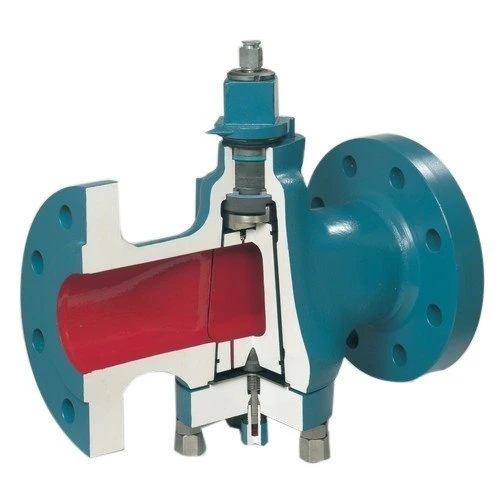

In addition to sleeve plug valves, we also offer Lubricated Plug Valve and ANSI Plug Valve for various industrial applications. Our valves are known for their reliability, durability, and excellent performance.
If you are in the nuclear power industry or other industries that require high - quality plug valves, we invite you to contact us for procurement and negotiation. We are committed to providing you with the best valve solutions and excellent customer service.
References
- ASME Boiler and Pressure Vessel Code, Section III - Rules for Construction of Nuclear Facility Components.
- International Atomic Energy Agency (IAEA) Safety Standards for Nuclear Power Plants.
- Technical reports on valve materials and design in nuclear power applications.