


As a seasoned supplier of globe valves, I've witnessed firsthand the intricate relationship between fluid density and the performance of these essential industrial components. Globe valves are widely used in various industries, including oil and gas, chemical processing, power generation, and water treatment, to control the flow of fluids. Understanding how fluid density affects a globe valve is crucial for ensuring optimal performance, efficiency, and safety in any application.
The Basics of Globe Valves
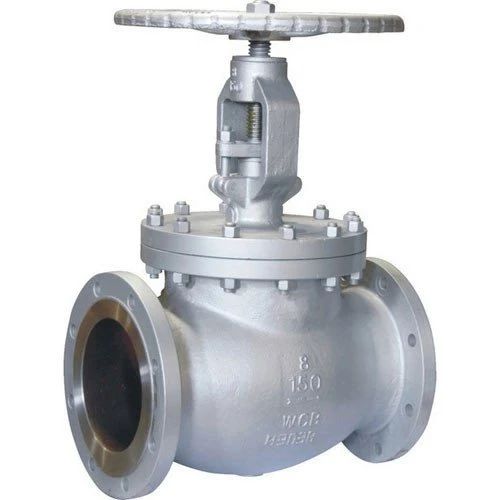
Before delving into the effects of fluid density, let's briefly review the basic structure and operation of a globe valve. A globe valve consists of a body, a bonnet, a disk, a stem, and a seat. The disk is connected to the stem, which is actuated by a handwheel, an actuator, or other means to control the flow of fluid through the valve. When the disk is lifted off the seat, fluid can flow through the valve; when the disk is pressed against the seat, the flow is stopped.
Globe valves are known for their excellent throttling capabilities, which make them suitable for applications where precise flow control is required. They are also relatively easy to maintain and repair, making them a popular choice in many industries.
Fluid Density and Its Impact on Globe Valve Performance
Fluid density is defined as the mass per unit volume of a fluid. It is an important property that affects the behavior of fluids in various ways, including their flow characteristics, pressure drop, and force requirements. When it comes to globe valves, fluid density can have a significant impact on several aspects of their performance, including:
Flow Capacity
The flow capacity of a globe valve is determined by its size, design, and the properties of the fluid flowing through it. Fluid density plays a crucial role in determining the flow capacity of a globe valve because it affects the mass flow rate of the fluid. According to the principle of conservation of mass, the mass flow rate of a fluid through a valve is equal to the product of its density, velocity, and cross-sectional area. Therefore, for a given valve size and flow velocity, a fluid with a higher density will have a higher mass flow rate than a fluid with a lower density.
In practical terms, this means that a globe valve designed for a specific flow capacity with a low-density fluid may not be able to handle the same flow rate when a high-density fluid is used. Conversely, a valve designed for a high-density fluid may be oversized for a low-density fluid, resulting in inefficient operation and increased energy consumption.
Pressure Drop
Pressure drop is the difference in pressure between the inlet and outlet of a valve. It is an important parameter that affects the energy consumption and efficiency of a fluid system. Fluid density has a direct impact on the pressure drop across a globe valve because it affects the frictional losses and the kinetic energy changes of the fluid as it flows through the valve.
According to the Bernoulli's equation, the pressure drop across a valve is proportional to the square of the fluid velocity and the density of the fluid. Therefore, for a given flow rate and valve size, a fluid with a higher density will experience a higher pressure drop than a fluid with a lower density. This means that a globe valve designed for a specific pressure drop with a low-density fluid may experience a higher pressure drop when a high-density fluid is used, which can lead to increased energy consumption and reduced system efficiency.
Force Requirements
The force required to operate a globe valve is determined by several factors, including the fluid pressure, the size and design of the valve, and the friction between the moving parts. Fluid density can have a significant impact on the force requirements of a globe valve because it affects the pressure forces acting on the valve disk and stem.
As the density of the fluid increases, the pressure forces acting on the valve disk and stem also increase. This means that a higher force is required to open and close the valve, which can make it more difficult to operate manually or require a larger actuator. In some cases, the increased force requirements may also lead to increased wear and tear on the valve components, reducing their service life.
Considerations for Selecting a Globe Valve Based on Fluid Density
When selecting a globe valve for a specific application, it is important to consider the density of the fluid flowing through the valve. Here are some key considerations to keep in mind:
Flow Rate and Pressure Requirements
The flow rate and pressure requirements of the application are the primary factors that determine the size and design of the globe valve. When selecting a valve, it is important to ensure that it is capable of handling the maximum flow rate and pressure of the fluid system. For applications involving high-density fluids, it may be necessary to select a larger valve size or a valve with a higher flow coefficient to ensure adequate flow capacity and minimize pressure drop.

Material Selection
The material selection of the globe valve is also important, especially when dealing with high-density fluids. High-density fluids can be more corrosive and abrasive than low-density fluids, which can cause damage to the valve components over time. Therefore, it is important to select a valve made from materials that are resistant to corrosion and abrasion, such as stainless steel, cast steel, or other alloy materials.
Valve Design
The design of the globe valve can also have a significant impact on its performance when dealing with high-density fluids. For example, a valve with a streamlined design and a smooth internal surface can reduce the frictional losses and pressure drop of the fluid, improving its efficiency and performance. Additionally, a valve with a balanced disk design can reduce the force requirements and improve the ease of operation, especially when dealing with high-pressure applications.
Our Globe Valve Products
As a leading supplier of globe valves, we offer a wide range of high-quality products that are designed to meet the diverse needs of our customers. Our product portfolio includes Flange Golbe Valve, Y-Type Globe Valve, and Cast Steel Bellow Seal Globe Valve, among others.
Our globe valves are made from high-quality materials and are designed to provide reliable and efficient performance in a variety of applications. We also offer customized solutions to meet the specific requirements of our customers, including special sizes, materials, and designs.
Conclusion
In conclusion, fluid density plays a crucial role in the performance of globe valves. It affects the flow capacity, pressure drop, and force requirements of the valve, which can have a significant impact on the energy consumption, efficiency, and reliability of a fluid system. Therefore, it is important to consider the density of the fluid when selecting a globe valve for a specific application.
As a trusted supplier of globe valves, we understand the importance of providing our customers with high-quality products that are designed to meet their specific needs. If you have any questions or need assistance in selecting the right globe valve for your application, please don't hesitate to contact us. We look forward to working with you to provide the best possible solutions for your fluid control needs.
References
- Miller, D. S. (1990). Internal flow systems. BHRA Fluid Engineering.
- Crane Co. (1988). Flow of fluids through valves, fittings, and pipe. Technical Paper No. 410.
- Perry, R. H., & Green, D. W. (1997). Perry's chemical engineers' handbook. McGraw-Hill.